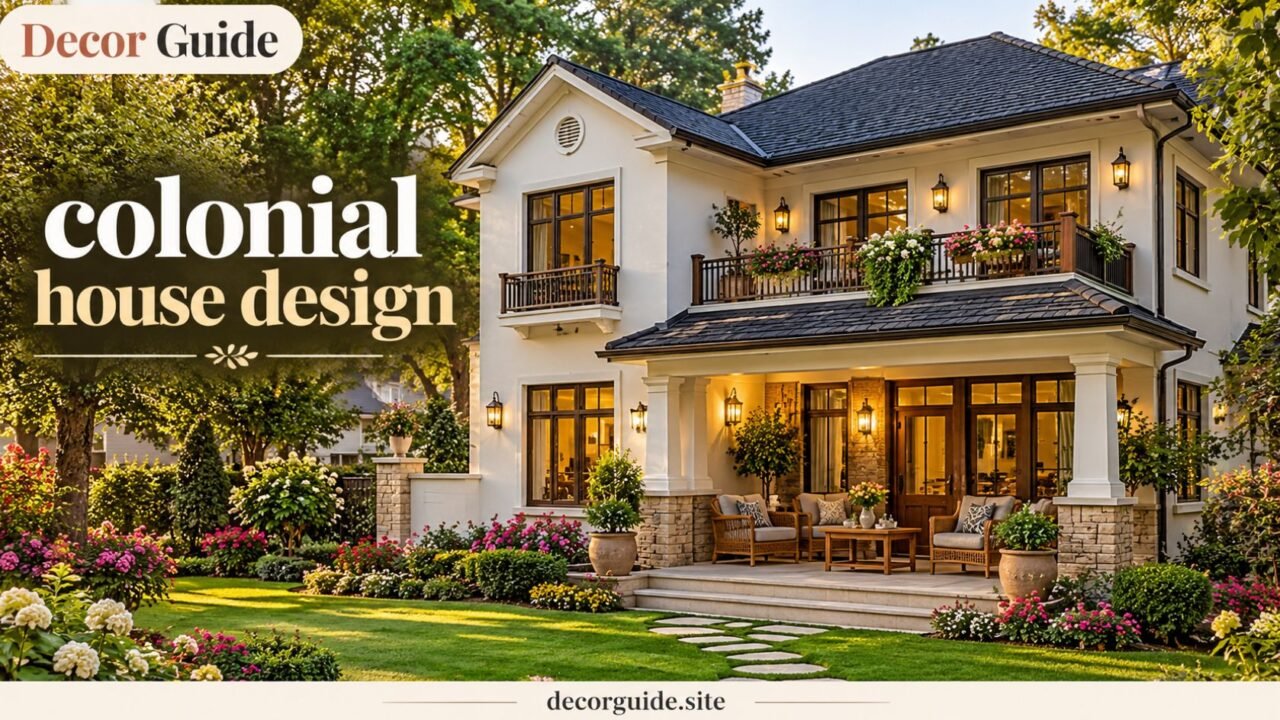
Colonial house design is known for its balanced shape, symmetrical windows, traditional materials, and calm sense of order. The style can feel historic without looking outdated when its architectural details are used thoughtfully. If you are planning a new home, renovating an older property, or simply exploring traditional architecture, colonial design gives you a clear starting point. The key is to focus on proportion, symmetry, natural materials, and practical rooms rather than adding too many decorative details.
What Is Colonial House Design
Colonial house design refers to a family of traditional residential styles that developed during the colonial period in North America. The exact appearance can vary because different regions and cultural influences produced different forms of colonial architecture.
Even with those differences, several ideas appear again and again. Colonial homes usually have a strong sense of symmetry. The front entrance often sits near the center of the facade, with windows arranged in an orderly pattern on both sides.
The roof is usually simple and clearly defined. Exterior materials may include brick, wood siding, stone, or combinations of traditional materials. Interior spaces often follow a practical arrangement rather than an extremely open floor plan.
A major reason colonial architecture remains popular is its visual balance. Nothing feels random. Windows, doors, rooflines, and exterior details work together to create a composed appearance.
For a new build, this style can also be adapted to modern living. You can keep the traditional exterior while using updated kitchens, bathrooms, storage, lighting, and technology inside.
Key Features of Colonial House Design
Understanding the basic features makes it much easier to recognize colonial architecture and plan your own home.
Symmetrical Exterior
Symmetry is one of the most recognizable features of colonial house design. A centered front door with evenly arranged windows immediately creates the traditional appearance associated with the style.
This does not mean every colonial home has to be perfectly identical on both sides. However, the overall facade usually feels balanced.
When designing a new home, start with the front elevation. Decide where the main entrance will sit, then arrange windows and other architectural elements around it.
Simple Roof Forms
Colonial homes usually rely on straightforward roof shapes rather than complicated roof structures.
A simple gable roof can create a strong traditional appearance. The roof should feel like an important part of the architecture instead of being hidden behind excessive decorative elements.
If you want a more contemporary interpretation, keep the roof form simple while choosing modern materials and clean exterior details.
Traditional Windows
Windows play a major role in colonial house design. Traditional homes often use evenly spaced windows with similar proportions throughout the facade.
Multi pane windows can strengthen the historic appearance. However, modern homeowners can also use updated window designs that provide better insulation while maintaining the visual proportions of traditional architecture.
Avoid choosing windows only because they look attractive individually. They should work with the scale and rhythm of the entire exterior.
Centered Front Entrance
The entrance is often the visual anchor of a colonial home.
A centered door creates a natural focal point and reinforces the symmetrical structure. Traditional doors may include panels, glass sections, or decorative hardware.
A porch is not required for every colonial home. In many examples, the entrance is relatively simple and framed by shutters, columns, molding, or other architectural details.
Popular Types of Colonial Architecture
Colonial architecture is not one single style. Several variations developed over time and in different regions.
Georgian Colonial
Georgian inspired homes are strongly associated with symmetry, formal proportions, and orderly facades.
They often feature a centered entrance, evenly spaced windows, and carefully balanced exterior details. Brick is commonly associated with this appearance, although other materials can also work.
This version suits homeowners who want a formal and refined exterior.
Dutch Colonial
Dutch colonial homes are often recognized by their distinctive roof shapes. The gambrel roof is one of their most noticeable features.
The broad roof can give the home a comfortable appearance while also creating useful upper floor space.
If you want colonial character but prefer a slightly more relaxed visual style, this variation can be worth considering.
Spanish Colonial
Spanish colonial architecture developed from Spanish building traditions and is visually different from many northern colonial styles.
It often uses stucco walls, tile roofing, courtyards, arches, and warm natural colors.
The result can feel more relaxed and connected to outdoor living. This style works especially well in climates where shaded outdoor spaces are useful.
Cape Cod Colonial
Cape Cod homes are generally simpler and more compact. Their clean shapes, steep roofs, shutters, and restrained decoration make them easy to recognize.
This approach can also work well for smaller properties because it does not depend on a large footprint to create character.
How to Plan a Colonial House Design
A successful colonial home starts with the overall structure. Decoration comes later.
Start With the Exterior Shape
Before choosing paint colors or furniture, look at the basic shape of the house.
A rectangular or carefully balanced footprint usually provides a stronger foundation for colonial architecture than an extremely complicated layout.
Think about how the roof, windows, entrance, and exterior materials will appear together.
Plan the Front Elevation
The front elevation deserves extra attention because it creates the first impression.
Place the main entrance where it supports the overall symmetry. Then consider window spacing, roof proportions, shutters, lighting, and landscaping.
Step back from the design and look at it as a whole. If one feature appears too large or visually heavy, the balance may need adjustment.
Choose Materials Carefully
Traditional materials can immediately strengthen the architectural character.
Brick creates a formal appearance. Wood siding can make the house feel warmer and more relaxed. Stone can add texture and visual weight.
You do not need to use several materials at once. In many cases, using one primary material with a small amount of complementary material creates a cleaner result.
Design the Interior Around the Architecture
The inside of the home should support the exterior style.
Traditional molding, paneled doors, hardwood floors, fireplaces, and carefully proportioned furniture can reinforce colonial character.
At the same time, there is no need to make every room look historic. A modern kitchen can work beautifully inside a traditional house when the cabinetry, lighting, hardware, and materials respect the architecture.
Colonial House Design for Modern Living
Traditional architecture does not mean you have to live traditionally.
Modern homeowners often want larger kitchens, better storage, comfortable bathrooms, efficient lighting, and flexible rooms. These needs can fit comfortably within colonial house design.
One useful approach is to keep the major architectural elements traditional while allowing everyday functions to be modern.
For example, a kitchen can use contemporary appliances and practical storage while maintaining classic cabinet profiles and traditional proportions.
Bathrooms can use modern plumbing fixtures while incorporating natural stone, simple molding, or traditional hardware.
Technology can also be integrated without becoming the visual focus. Smart lighting, modern heating systems, and updated security can support the home without changing its architectural identity.
The goal is not to recreate an old house exactly. The goal is to preserve the qualities that make the style recognizable while making the home comfortable for current life.
Interior Ideas for a Colonial Home
The interior is where many homeowners either strengthen the style or accidentally make it feel disconnected.
Use Balanced Furniture Arrangements
Furniture should follow the structure of the room.
Place larger pieces where they support the natural focal point, such as a fireplace or main seating area. Avoid filling every corner with furniture.
A colonial interior generally benefits from visual order. Matching or complementary furniture pieces can help create that balance without making the room feel overly formal.
Add Traditional Architectural Details
Molding can make a major difference.
Crown molding, baseboards, door casing, wall paneling, and built in shelving can add architectural depth. These details work particularly well in dining rooms, entryways, studies, and living rooms.
If the budget is limited, focus on one important room instead of adding expensive details throughout the entire house.
Choose Natural Looking Materials
Wood, stone, woven textures, linen, and other natural looking materials fit comfortably with colonial interiors.
You can combine these with modern finishes for a more current appearance.
For example, a traditional wood dining table can sit comfortably with simple contemporary lighting. A classic sofa can work with a modern rug. The room does not have to look like a museum.
Colonial House Design Colors
Color has a strong influence on whether a colonial home feels traditional, modern, or overly themed.
Classic choices often include white, cream, warm gray, muted green, deep blue, soft beige, and earthy tones.
The exterior can use a restrained palette with a contrasting front door or shutters.
Inside, neutral walls provide flexibility. Deeper colors can then be introduced through furniture, rugs, curtains, artwork, or accent walls.
Avoid choosing too many unrelated colors. Colonial architecture already has strong visual structure, so a controlled palette usually works better.
Small Space Tips for Colonial Style
Colonial architecture is often associated with larger traditional homes, but the style can work in a smaller property too.
Start by focusing on the features that communicate the style most clearly. A balanced front entrance, traditional window proportions, simple roof shape, and appropriate materials can do more than excessive decoration.
Inside a small home, use furniture that fits the room rather than choosing oversized traditional pieces.
Built in storage can be particularly useful because it keeps everyday items organized while adding architectural character.
For example, built in shelves around a fireplace can provide storage and create a strong focal point without taking up as much floor space as separate cabinets.
Use mirrors and lighter wall colors when you want the room to feel more open. Keep decorative objects selective so the traditional details remain visible.
Budget Friendly Ways to Create Colonial Character
You do not need to rebuild a house to introduce colonial design.
Start with low cost changes such as repainting the front door, updating exterior lighting, adding traditional looking house numbers, improving window treatments, or rearranging furniture.
A moderate budget can go toward better trim, interior doors, cabinet hardware, lighting fixtures, or built in shelving.
A larger renovation can address structural elements such as windows, roofing, exterior materials, porches, or room layouts.
Always prioritize the architectural elements that have the greatest visual effect. Adding many small decorations will not compensate for an exterior that lacks balance.
Common Colonial House Design Mistakes
One common mistake is adding too many historic decorations. Colonial design is based heavily on proportion and structure, not just accessories.
Another mistake is ignoring the surrounding property. Landscaping should support the house rather than compete with it.
Using too many exterior materials can also make the home look visually busy. Choose a clear primary material and use secondary materials carefully.
Inside, avoid turning every room into the same traditional scene. A home can have colonial architecture while still including modern furniture and contemporary conveniences.
Poor proportions are another problem. Oversized windows, tiny doors, heavy furniture, or decorative elements that are too large can disrupt the balanced appearance.
The best results usually come from restraint.
How to Modernize Colonial House Design
Modernizing colonial architecture works best when you decide which traditional elements should remain visually important.
Keep the symmetry, roof form, entrance, and overall proportions where possible. Then update the parts of the home that affect comfort and daily use.
Modern windows can improve performance while preserving traditional proportions. A contemporary kitchen can use classic cabinet profiles. Modern lighting can be installed without removing traditional architectural details.
You can also simplify decorative elements. Removing unnecessary shutters, excessive trim, or dated finishes can make an older colonial home feel cleaner while keeping its original character.
This approach creates a home that feels connected to its architectural history without looking frozen in the past.
FAQs About Colonial House Design
What makes a house colonial
A colonial home usually has a balanced facade, symmetrical windows, a clear entrance, simple roof forms, and traditional materials. The exact features depend on the specific colonial variation.
Is colonial house design still popular
Colonial architecture continues to influence residential design because its balanced proportions and traditional appearance can work with both classic and modern interiors.
Can a small house have colonial style
Yes. A smaller home can use colonial principles through balanced windows, a simple roof, a clear entrance, traditional materials, and restrained decoration.
What colors work well with colonial homes
Common choices include white, cream, beige, muted green, blue, gray, and earthy tones. The best combination depends on the architecture and surrounding landscape.
Can colonial architecture have a modern interior
Yes. Modern kitchens, bathrooms, lighting, storage, and technology can work inside a colonial home when the materials and proportions respect the original architecture.
Is colonial design expensive
The cost depends on the scope of the project. Simple changes such as paint, lighting, hardware, and furniture can introduce the style without major construction. Structural changes require a larger renovation budget.
Final Thoughts on Colonial House Design
Colonial house design works because it relies on principles that do not quickly go out of style. Symmetry creates order. Traditional materials add character. Simple roof forms give the home a strong silhouette, while carefully planned interiors make the architecture practical for everyday life.
If you are designing from scratch, begin with proportion and structure. If you already own a home, start with the features that are easiest to improve and most visible.
The best colonial inspired home does not need to look completely historical. It should feel balanced, comfortable, and intentional. Keep the architectural character, remove unnecessary clutter, and let modern living fit naturally into the traditional framework.