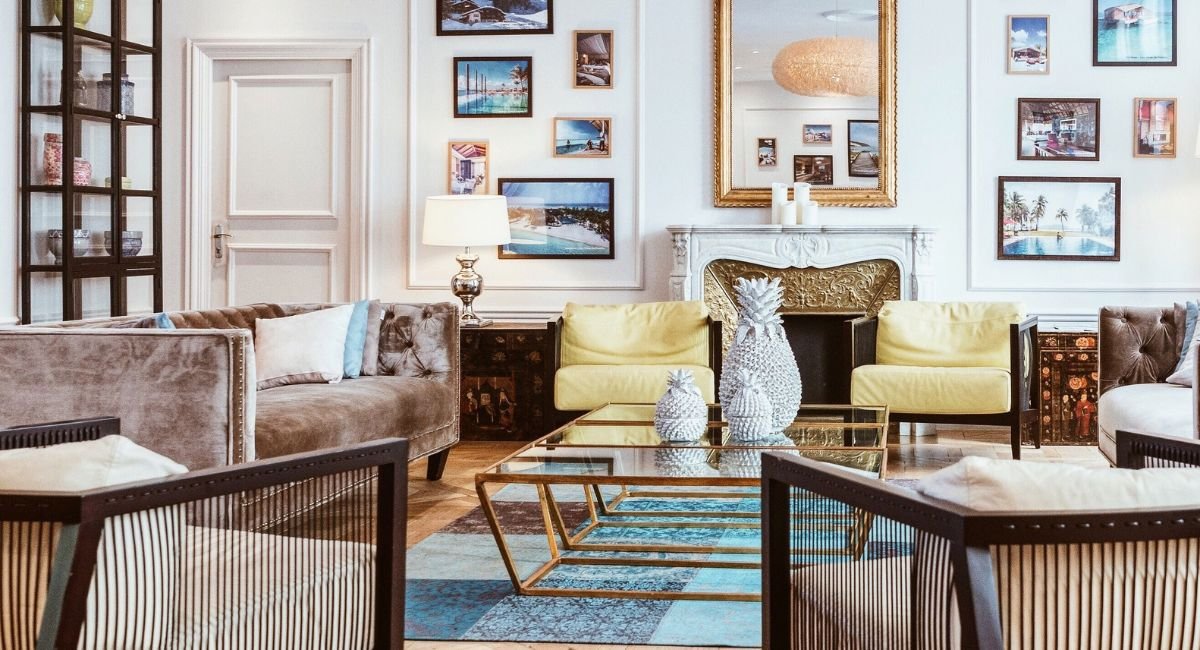
A luxurious living room is not simply a room filled with expensive furniture. Luxury living room furniture works best when each piece fits the room, serves a purpose, feels comfortable, and works with the overall design. Start with the sofa, then build around it with suitable chairs, tables, storage, lighting, and accessories. Pay attention to proportions, materials, color, and spacing rather than buying everything from the same collection. This approach can create an elegant living room whether you have a large open space or a compact apartment.
What Makes Living Room Furniture Look Luxurious?
Luxury is often created through proportion, material, comfort, craftsmanship, and visual balance rather than price alone.
A sofa with a clean shape and quality looking upholstery can feel more sophisticated than an oversized piece covered in unnecessary decoration. Similarly, a simple coffee table can look refined when it has the right scale and works well with the surrounding furniture.
Before buying anything, look at the room as a whole.
Consider:
- The size and shape of the room
- Where doors and windows are located
- The amount of natural light
- Existing flooring and wall colors
- How many people regularly use the room
- Whether the space needs hidden storage
- How much open floor area you want to preserve
The goal is to create a room where furniture feels intentional rather than randomly placed.
Start With the Living Room Layout
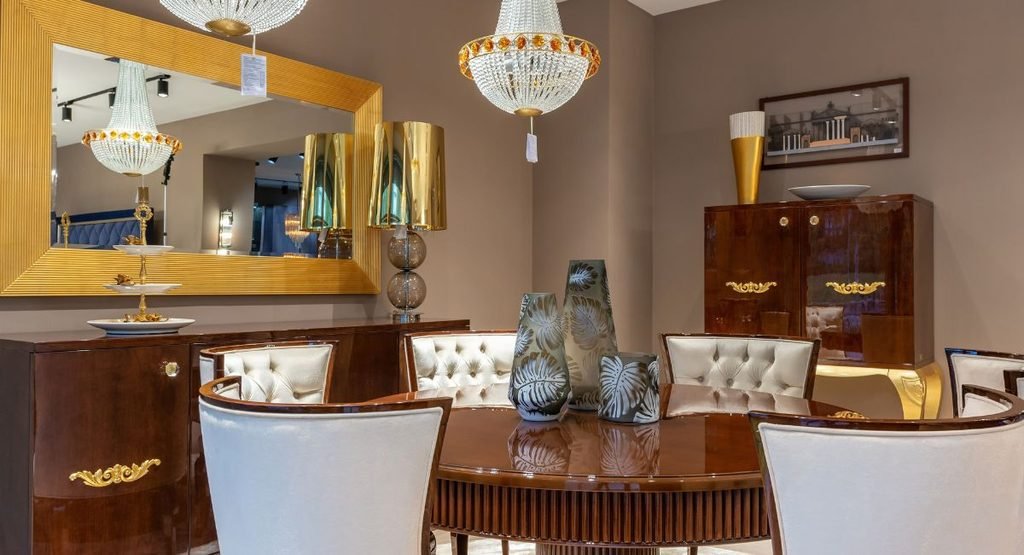
Before choosing furniture, decide how the room needs to function.
A living room may need to support conversation, television viewing, reading, entertaining, or several of these activities at once. Your furniture arrangement should reflect those needs.
Start by identifying the main focal point.
It could be:
- A fireplace
- A television
- A large window
- Artwork
- An architectural feature
- A central seating arrangement
Once the focal point is clear, position the main seating around it.
Avoid pushing every piece of furniture against the walls automatically. Depending on the room, bringing seating slightly inward can create a more connected arrangement.
Think About Movement
A beautiful room can quickly become uncomfortable if people have to squeeze between furniture.
Keep the main walking routes clear. Also consider how doors, drawers, cabinets, and recliners will open or move.
For smaller rooms, fewer carefully selected pieces usually work better than trying to include every type of furniture.
Choose the Sofa First
The sofa is usually the largest visual element in a living room, so it should be your starting point.
When choosing one, consider:
- Overall size
- Seat depth
- Back height
- Upholstery
- Color
- Arm style
- Leg design
- Cleaning requirements
- Comfort
- Relationship to the room’s proportions
A luxurious looking sofa does not have to be heavily decorated. A well proportioned silhouette with attractive upholstery can provide a strong foundation.
For a large room, a substantial sofa can help anchor the seating area. In a smaller room, a streamlined sofa can provide comfort without overwhelming the available floor space.
Choose the Shape for the Room
Straight sofas are versatile and work well in many layouts.
Sectionals can provide generous seating and help define a large space, but they need enough room to avoid making the area feel blocked.
Curved sofas can create a softer, more sculptural appearance. However, their shape should work with the rest of the room rather than becoming an isolated statement piece.
The best choice depends on the room rather than a trend.
Add Complementary Seating
After choosing the sofa, decide whether additional seating is actually necessary.
Possible choices include:
- Accent chairs
- Armchairs
- Lounge chairs
- Ottomans
- Benches
- A loveseat
Do not automatically match every chair to the sofa. Coordinating materials, colors, or shapes can create a more collected appearance than purchasing a complete matching set.
For example, a neutral sofa can work with textured accent chairs or chairs in a complementary color.
Use Chairs to Improve Conversation
If the living room is mainly used for conversation, arrange additional seating so people can comfortably face one another.
If the room is primarily used for television viewing, seating may need to face the screen instead.
Furniture should support the way you actually use the room.
Select the Coffee Table Based on the Seating
The coffee table should relate to the sofa and chairs in both size and visual weight.
Before choosing one, consider:
- The shape of your sofa
- The available walking space
- How many people use the room
- Whether you need storage
- Whether children or pets use the space
- How much surface area you need
A rectangular table can complement a long sofa, while a round or oval design can soften a room dominated by straight lines.
If the room already contains many strong shapes, a simpler table may create better balance.
Open vs. Closed Coffee Table Storage
Choose open storage when you want frequently used books, baskets, or decorative objects to remain accessible.
Choose closed storage when you want to hide remote controls, games, paperwork, or other everyday items.
The right choice depends on what you need to store. Storage should solve a real problem rather than simply add another feature to the room.
Consider the Material and Finish
Materials strongly influence the character of a living room.
Common furniture materials and finishes include:
- Wood
- Metal
- Glass
- Stone
- Upholstered fabric
- Leather
- Mixed materials
You do not need to use only one material throughout the room.
A wooden table can work with an upholstered sofa. Metal details can add structure. Glass can help a smaller room feel visually lighter.
The important thing is repetition. If one finish appears only once, it may look disconnected. Repeating a material or finish in several places can make the room feel more intentional.
Use Color With Restraint
A luxurious room does not need to be completely neutral.
You can build the palette around a few related colors.
For example:
- Warm neutral sofa
- Medium tone wood
- Soft accent color
- Darker metal details
- One or two stronger decorative colors
The key is to avoid introducing too many unrelated colors.
If your sofa is already visually strong, keep surrounding furniture relatively simple. If the main furniture is neutral, artwork, cushions, rugs, and accessories can introduce more personality.
Pay Attention to Texture
Texture is particularly useful when the color palette is simple.
You can combine:
- Smooth upholstery
- Textured cushions
- Woven baskets
- Wood grain
- Soft rugs
- Metal finishes
- Glass surfaces
This creates visual interest without requiring excessive decoration.
Texture is also useful for making a neutral room feel warm instead of flat.
Choose Storage That Matches Your Needs
A luxury living room still needs to deal with everyday clutter.
Before buying a cabinet, console, shelving unit, or sideboard, identify what needs to be stored.
For example:
- Books
- Remote controls
- Games
- Electronics
- Blankets
- Children’s items
- Decorative objects
- Everyday paperwork
Then choose storage based on those needs.
Open Storage
Open shelving is useful for books and selected decorative objects.
Its disadvantage is that everything remains visible, so it can look messy if it becomes overloaded.
Closed Storage
Closed cabinets are useful when you want everyday objects hidden.
They can create a cleaner visual appearance, particularly in rooms that already have many decorative elements.
A combination of open and closed storage can provide both display space and concealed organization.
Add Side Tables Carefully
Side tables are practical, but too many tables can make a room feel crowded.
Choose them according to the seating arrangement.
A side table is useful when someone sitting on the sofa or chair needs a convenient place for a drink, lamp, book, or other small item.
Instead of buying several matching tables, consider using complementary designs that share a material, finish, or color with the rest of the room.
Don’t Ignore the Rug
A rug helps connect the seating arrangement.
The rug should relate visually to the sofa, chairs, and coffee table rather than appearing as a separate decoration.
Before purchasing one, think about the furniture arrangement and how much of the seating area you want visually connected.
A rug that is too small can make furniture appear disconnected. A suitable size can help the seating arrangement feel like one defined zone.
Use Lighting to Support the Furniture
Furniture alone cannot create the entire atmosphere of a living room.
Use different types of lighting where appropriate:
- Ceiling lighting
- Floor lamps
- Table lamps
- Wall lighting
- Accent lighting
Place lighting where it serves a purpose.
A reading chair may benefit from a nearby lamp. A console can provide a location for decorative lighting. Artwork or architectural details may benefit from accent lighting.
Avoid relying on a single overhead light for the entire room.
Add a Few Finishing Details
Once the main furniture is in place, add decorative elements carefully.
Useful finishing touches include:
- Cushions
- Throws
- Artwork
- Books
- Plants
- Vases
- Decorative trays
- Mirrors
The purpose is to support the room rather than fill every empty surface.
Leave some areas visually quiet. Empty space can make the furniture and accessories you do choose feel more noticeable.
How to Create a Luxury Look on Different Budgets
You do not have to replace an entire living room to improve its appearance.
Free: Rearrange What You Already Own
Start by removing unnecessary pieces and testing different furniture arrangements.
Move seating closer together if the current arrangement feels disconnected. Remove furniture that blocks movement. Clear unnecessary objects from tables and shelves.
Good layout costs nothing.
Low Cost: Improve the Details
Small changes can have a noticeable visual effect.
Consider:
- Rearranging cushions
- Decluttering surfaces
- Adding a throw
- Changing artwork placement
- Grouping decorative objects
- Improving lighting placement
- Using existing storage more effectively
The goal is to make the existing furniture look more intentional.
Moderate Cost: Upgrade One Key Piece
Instead of replacing everything, identify the weakest element.
It might be:
- An outdated coffee table
- A worn accent chair
- An unsuitable rug
- A cluttered storage unit
- Poor lighting
Replacing one important piece can sometimes improve the entire arrangement.
Higher Cost: Build Around a Strong Foundation
If you are furnishing the room from scratch, spend more attention on the pieces you use most.
The sofa and primary seating usually deserve careful consideration because comfort and proportion affect the whole room.
Then add tables, storage, rugs, lighting, and accessories according to the room’s actual needs.
Small Space Tips for Luxury Living Rooms
A small living room can still feel polished.
The biggest mistake is trying to make it look luxurious by adding more furniture.
Instead:
- Choose furniture with an appropriate scale
- Keep walking routes clear
- Use multifunctional pieces where useful
- Consider furniture with visible legs
- Use closed storage to control clutter
- Keep the color palette connected
- Avoid oversized decorative objects
- Use mirrors where they genuinely improve the room
- Choose one strong focal point
A compact sofa with a slim profile may work better than an oversized sectional. A storage ottoman can combine seating, surface space, and storage when those functions are genuinely needed.
Keep Visual Weight Under Control
In a small room, furniture with heavy visual mass can make the space feel smaller.
This does not mean every piece must have thin legs or a minimalist design. It simply means the room needs enough visual breathing space around larger objects.
Common Mistakes to Avoid
Buying Furniture Before Measuring the Room
A piece can look attractive in a showroom or online and still be unsuitable for your room.
Measure the available area and consider doorways, windows, walkways, and other fixed features before purchasing.
Choosing Style Over Comfort
A beautiful sofa that is uncomfortable will not serve the room well.
Luxury should include everyday usability.
Buying a Complete Matching Set
Matching furniture can make a room feel predictable.
Coordinated pieces with related colors, materials, or shapes can create a more layered look.
Overdecorating Every Surface
Too many objects can hide the furniture and make the room feel busy.
Select fewer pieces and give them enough space.
Ignoring Storage
Clutter can undermine an otherwise sophisticated room.
Think about where everyday items will go before finalizing the furniture plan.
Following Trends Too Closely
Trends change.
Choose major furniture pieces based on comfort, quality, room proportions, and your personal needs. Trends can be introduced more easily through smaller accessories.
A Simple Step by Step Furniture Plan
If you are starting from an empty room, follow this order:
Step 1: Study the room.
Identify doors, windows, focal points, natural light, and available floor space.
Step 2: Decide how the room will be used.
Determine whether conversation, television, reading, entertaining, or a combination is the priority.
Step 3: Choose the main sofa.
Select a size and shape that fit the room and provide the required comfort.
Step 4: Add essential seating.
Choose chairs or other seating only if the room needs them.
Step 5: Select the coffee table.
Match its shape and scale to the seating arrangement.
Step 6: Add storage.
Identify what needs to be hidden or displayed, then choose appropriate storage.
Step 7: Add side tables and lighting.
Place them according to how people will actually use the seating.
Step 8: Connect the room with a rug.
Choose one that works with the furniture arrangement and overall palette.
Step 9: Add texture and accessories.
Use cushions, throws, artwork, plants, and decorative objects selectively.
Step 10: Remove what does not contribute.
After everything is placed, look for unnecessary furniture and decoration.
Final Checklist Before You Buy
Before purchasing any major piece, ask:
- Does it fit the room?
- Does it support the way I use the space?
- Is it comfortable?
- Does its material suit the room?
- Does the color work with existing furniture?
- Will it leave enough room for movement?
- Does it solve a real need?
- Can I maintain it easily?
- Will I still like its basic design if trends change?
If the answer to several of these questions is no, reconsider the purchase.
FAQs About Luxury Living Room Furniture
Can luxury living room furniture be comfortable?
Yes. Comfort should be considered alongside appearance. Seating should support the way the room is actually used rather than being selected only for its visual style.
Should all living room furniture come from the same collection?
No. Furniture can coordinate without being identical. Related materials, colors, shapes, and finishes can create a cohesive room.
What furniture should be purchased first for a new living room?
Start with the main seating, usually the sofa, because its size and position influence many other furniture decisions.
Is dark furniture suitable for a small living room?
It can be, but the overall visual balance matters. Dark, heavy looking pieces can dominate a compact room, so consider their scale and relationship with the walls, flooring, lighting, and other furniture.
How can I make old furniture work in a luxury style room?
Keep useful pieces and improve the surrounding arrangement. Decluttering, better lighting, coordinated textiles, updated accessories, and one carefully chosen replacement piece can change the overall appearance without replacing everything.
Should luxury furniture always have a modern design?
No. Luxury can work with modern, traditional, transitional, contemporary, or other design styles. The important factors are consistency, proportion, materials, comfort, and how the pieces work together.
Conclusion
Creating an elegant living room is less about filling the space with expensive pieces and more about making thoughtful furniture decisions. Start with the room’s function and layout, choose the main seating carefully, then build around it with complementary chairs, tables, storage, lighting, and accessories.
Whether your budget is limited or you are furnishing a large room from scratch, focus on proportion, comfort, material, organization, and visual balance. A carefully planned room can feel refined without looking crowded or overly decorated.