Modern Kitchen Cabinet Design Ideas for a Stylish and Functional Kitchen
Modern kitchen cabinet design is about more than choosing attractive doors. The right cabinets help your kitchen feel organized, spacious, and easy to use while creating a consistent look throughout the room. Whether you prefer warm wood finishes, smooth white cabinets, bold colors, or a minimalist design, your choices should balance appearance with practical storage.
Before selecting cabinets, consider your kitchen layout, cooking habits, appliances, available space, and budget. These details help you choose a design that suits your home instead of following a trend that may not work for your daily routine.
What Makes a Kitchen Cabinet Design Modern?
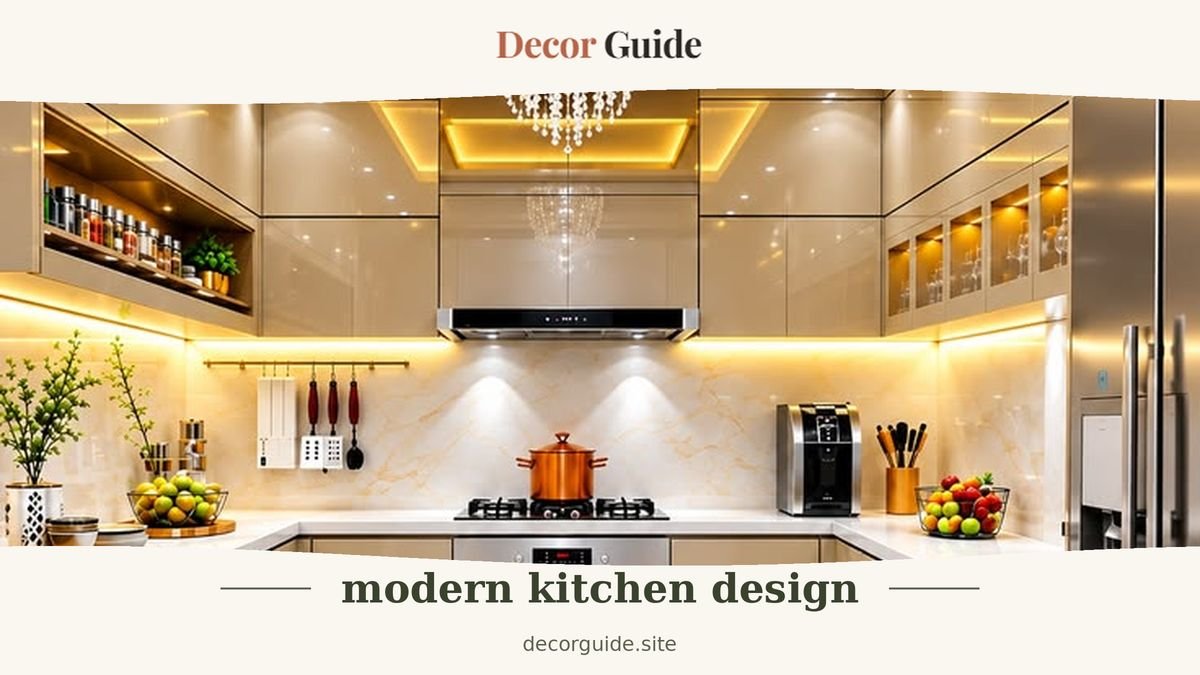
Modern kitchen cabinets generally feature clean lines, simple shapes, thoughtful storage, and finishes that complement the rest of the kitchen. Decorative details are usually limited, allowing the materials, proportions, and overall layout to create visual interest.
Some modern kitchens use completely flat cabinet doors, while others combine subtle panel details with contemporary hardware. There is no single style that defines every modern kitchen. The best design is one that feels cohesive and functions well for the people using it.
Common features of modern kitchen cabinets include:
- Flat or minimally detailed cabinet doors
- Simple handles or handleless opening systems
- Neutral colors, natural wood, or carefully chosen accent shades
- Drawers and storage inserts that reduce clutter
- Cabinets designed around appliances and work areas
- Finishes that complement countertops, flooring, and lighting
The goal is to create a kitchen where every element has a purpose. Attractive cabinets matter, but convenient access, durable materials, and a sensible layout are just as important.
Popular Modern Kitchen Cabinet Styles
Your cabinet door style establishes the overall character of the kitchen. Before choosing a finish, decide whether you want a minimalist, warm, traditional inspired, or more expressive appearance.
Flat Panel Cabinets
Flat panel cabinets, also called slab cabinets, have smooth doors without raised frames or decorative profiles. Their simple appearance makes them a popular choice for contemporary and minimalist kitchens.
These cabinets work particularly well in small kitchens because their uninterrupted surfaces can make the room feel visually calmer. They are available in painted finishes, wood veneers, laminates, and other materials.
For a balanced design, combine flat panel cabinets with a textured backsplash, warm flooring, or a countertop with subtle natural variation. This prevents the kitchen from looking too plain.
Shaker Cabinets With a Modern Finish
Shaker cabinets have a simple framed design that suits homes where a completely flat cabinet door feels too contemporary. Their clean proportions can work with modern countertops, understated hardware, and streamlined appliances.
Choose a simple finish such as warm white, muted green, charcoal, or natural wood. Avoid adding too many decorative accessories if you want to maintain a contemporary appearance.
Shaker cabinets are especially useful when you want a kitchen that feels current without losing a familiar, timeless character.
Handleless Kitchen Cabinets
Handleless cabinets create a clean surface by using integrated channels, recessed grips, or push to open mechanisms. They can make cabinet fronts look more continuous and reduce visual clutter.
However, the opening system matters. Some mechanisms require more precise installation or adjustment than standard handles. Fingerprints may also be more noticeable on certain glossy or dark finishes.
Before selecting a handleless system, test how comfortably the doors and drawers open. Make sure the design remains convenient when your hands are wet or occupied with cooking.
Two Tone Kitchen Cabinets
Two tone cabinets use different colors or finishes on the upper and lower cabinets, or between the main cabinets and the kitchen island.
A practical combination is light upper cabinets with darker lower cabinets. This keeps the upper part of the room visually bright while adding depth near the floor.
You can also combine natural wood with painted cabinets. For example, warm oak lower cabinets can work with cream upper cabinets and a simple stone look countertop.
Limit the number of competing finishes. Two main cabinet finishes, supported by complementary countertop and hardware choices, are often enough to create a distinctive design.
Choosing the Right Cabinet Color
Cabinet color affects how spacious, bright, and inviting your kitchen feels. The best option depends on natural light, room size, flooring, countertops, and the atmosphere you want to create.
White and Warm Neutral Cabinets
White cabinets remain a versatile option because they work with many countertop materials and interior styles. They can help a darker kitchen feel brighter, especially when paired with suitable lighting.
If pure white feels too stark, consider warm white, cream, ivory, or light beige. These shades can create a softer appearance and pair well with wood accents.
To avoid a flat look, introduce contrast through cabinet hardware, a textured backsplash, or a countertop with subtle patterning.
Natural Wood Cabinet Finishes
Natural wood adds warmth and texture to modern kitchen designs. Oak, walnut, and other wood looks can complement neutral walls, stone surfaces, and simple hardware.
Lighter wood tones often suit Scandinavian inspired kitchens and compact spaces. Darker wood can create a richer appearance, particularly when balanced with lighter walls or countertops.
When choosing a wood finish, view a sample beside your actual flooring and countertop materials. Similar looking wood tones can have different undertones, and an unsuitable combination may make the kitchen feel visually inconsistent.
Green, Blue, and Other Accent Colors
Muted green, deep blue, charcoal, and earthy shades can give cabinets more personality without making the entire kitchen feel busy.
If you are unsure about using a strong color, apply it to the lower cabinets or island and keep the remaining cabinets neutral. This creates a focal point while allowing the rest of the room to remain flexible.
Always check a color sample in both natural and artificial light. A shade that looks soft in a showroom may appear much darker in a kitchen with limited daylight.
Dark Kitchen Cabinets
Dark cabinets can look sophisticated and create a strong contrast with lighter countertops or walls. They are particularly effective in kitchens with adequate lighting and a clear visual balance.
In a small or poorly lit kitchen, using dark cabinets everywhere may make the room feel enclosed. Consider pairing them with lighter upper cabinets, reflective surfaces, or under cabinet lighting.
Also consider maintenance. Dust, fingerprints, and water marks may show more clearly on some dark finishes, especially smooth surfaces with a high sheen.
How to Choose Cabinet Materials and Finishes
Cabinet materials affect durability, maintenance, appearance, and cost. The most suitable choice depends on how frequently you cook, your household needs, and the amount you plan to spend.
Laminate Cabinet Finishes
Laminate finishes are available in many colors and patterns, including wood looks and solid contemporary shades. They can be a practical option for homeowners who want a consistent appearance without choosing natural wood throughout the kitchen.
Quality varies between products, so ask about the specific surface, edge treatment, moisture resistance, and cleaning recommendations. Poorly protected edges may be vulnerable to moisture damage.
Wood Veneer Cabinets
Wood veneer uses a thin layer of real wood over a supporting material. It offers natural grain and variation while allowing manufacturers to use wood more selectively than in solid wood construction.
Veneer can create a refined, warm appearance in modern kitchens. Its performance depends on the supporting material, protective finish, installation, and care.
Request samples to check grain direction and color consistency before placing an order.
Painted Cabinets
Painted cabinets provide a wide range of color choices, from soft neutrals to bold statement shades. They are useful when you want a specific color that may not be available in other finishes.
Ask about the coating system, cleaning requirements, and how damaged areas can be repaired. Cabinet doors near sinks, dishwashers, and cooking areas may experience more moisture, heat, and frequent handling.
Glossy and Matte Finishes
Glossy cabinet fronts reflect more light and can give a kitchen a polished appearance. However, reflections and fingerprints may be noticeable depending on the color and material.
Matte finishes create a softer, understated look. Some are designed to resist fingerprints, but this varies by product.
Do not choose a finish based on appearance alone. Review a physical sample, check its maintenance requirements, and consider how it will look under your kitchen lighting.
Plan Your Cabinet Layout Before Choosing a Design
Even beautiful cabinets can become frustrating if they do not suit your kitchen layout. Before ordering anything, think about how you move between the refrigerator, sink, cooking area, and food preparation surfaces.
Make the Main Work Areas Convenient
Keep frequently used items close to the areas where you need them. Store cooking utensils near the stove, everyday dishes near the dishwasher or dining area, and food preparation tools near your main countertop.
Avoid placing cabinet doors and drawers where they repeatedly collide with appliances or block walkways. If several people use the kitchen at once, allow enough room for doors to open without interrupting movement.
Plan Around Your Appliances
Refrigerators, ovens, dishwashers, and microwaves influence cabinet dimensions and placement. Finalize the main appliance choices before confirming cabinet measurements.
Check door swing directions, ventilation requirements, electrical connections, and any installation clearances specified by the appliance manufacturer. A cabinet plan that ignores these details may require expensive changes later.
Use Vertical Space Carefully
Tall cabinets can provide additional storage for pantry items, serving dishes, and less frequently used kitchen equipment. They can also create a continuous appearance when designed to fit the room.
However, ceiling height, access, and installation conditions should guide your decision. In a smaller kitchen, a combination of upper cabinets and open wall space may feel more comfortable than filling every available surface.
Smart Storage Ideas for Modern Kitchen Cabinets
A modern kitchen should be easy to maintain, not simply attractive in photographs. Well planned storage reduces countertop clutter and helps you find everyday items without searching through multiple cupboards.
Choose Drawers for Everyday Items
Deep drawers can make pots, pans, plates, and cooking equipment easier to access. Unlike deep cupboards, they allow you to see more of the contents without moving everything at the front.
Consider adjustable dividers for utensils, cutlery organizers, and separate drawers for frequently used cooking tools. Choose drawer depths according to the items you plan to store rather than assuming every drawer should be the same size.
Add Pull Out Pantry Storage
Pull out pantry units can improve access to packaged foods, spices, and cooking ingredients. They are especially useful when a kitchen has narrow spaces that would otherwise be difficult to use.
Before installing one, consider the weight of stored items, the width available, and how far the unit extends into the room. Make sure it can open comfortably without obstructing another cabinet or appliance.
Make Corner Cabinets More Useful
Corner cabinets can waste space when their contents are difficult to reach. Depending on the layout, you might use a rotating shelf, a pull out corner system, or simple shelving for items you rarely need.
Special mechanisms may increase the cabinet cost, so compare their practical value before purchasing. Sometimes a straightforward cabinet arrangement is more suitable than an expensive accessory.
Include Storage for Cleaning Supplies
Cleaning products, dish towels, bin bags, and other household essentials need designated storage. A cabinet near the sink may be suitable for some supplies, provided the arrangement is safe and appropriate for your household.
Keep cleaning chemicals securely separated from food and cooking utensils. If children live in the home, consider suitable child resistant storage and follow the product safety instructions.
Modern Kitchen Cabinet Ideas for Small Spaces
Small kitchens benefit from cabinets that use available space efficiently without making the room feel crowded. The key is to prioritize useful storage and keep the overall design visually consistent.
Choose light or medium cabinet colors if you want a brighter appearance, but do not assume that every small kitchen must be white. Soft green, warm beige, and natural wood can also work well when balanced with appropriate lighting.
Consider these practical ideas:
- Use tall cabinets for items that do not need daily access.
- Choose drawers that make frequently used cookware easy to reach.
- Keep cabinet door styles simple to reduce visual clutter.
- Use under cabinet lighting to brighten preparation areas.
- Limit open shelving to items that are attractive and regularly used.
- Avoid filling every wall with cabinets if doing so makes the room feel enclosed.
If you are renovating a compact kitchen, measure the room carefully and mark appliance openings before selecting cabinet sizes. A well planned layout is usually more valuable than adding extra storage that makes movement difficult.
Should You Choose Upper Cabinets or Open Shelving?
Upper cabinets provide enclosed storage and help protect dishes and kitchen supplies from dust. Open shelving offers quick access and creates a lighter visual effect, but it requires more frequent cleaning and careful organization.
You do not have to choose only one option. A combination of upper cabinets and a small section of open shelving can provide both practical storage and visual interest.
Use open shelves for items you reach for regularly, such as everyday cups or a few serving bowls. Store less attractive supplies, packaged food, and items that create visual clutter behind cabinet doors.
Before removing existing upper cabinets, check whether you will lose storage that your household genuinely needs. A minimalist kitchen can look appealing, but insufficient storage often leads to crowded countertops.
Cabinet Hardware and Finishing Details
Handles, hinges, drawer runners, and other fittings influence how cabinets feel during everyday use. These details may be less noticeable than cabinet color, but they can affect convenience and long term satisfaction.
Select Hardware That Complements the Design
Simple bar handles, small knobs, recessed grips, and integrated channels can all work with modern cabinets. Choose hardware that feels comfortable to hold and suits the scale of the doors and drawers.
Brushed metal finishes can complement warm wood and neutral colors, while black hardware can create a stronger contrast. The best choice depends on the other finishes in your kitchen, including faucets, lighting, and appliances.
Try to maintain a consistent finish across the main visible hardware unless you have a clear design reason to mix materials.
Check Hinges and Drawer Runners
Soft close hinges and drawer runners reduce the impact of doors and drawers closing. They can make a kitchen feel more comfortable to use, particularly in busy households.
Ask the cabinet supplier about load limits, adjustability, replacement parts, and warranty coverage. Hardware quality matters because frequently used drawers may experience considerable wear over time.
Pay Attention to Cabinet Edges
Edges, joints, and the areas around sinks deserve careful attention. Moisture can damage unsuitable materials or poorly finished edges, particularly when water remains on surfaces.
Inspect the quality of the cabinet construction and ask how exposed edges are protected. Good installation and suitable maintenance are important regardless of the cabinet style you choose.
Lighting That Makes Modern Cabinets Look Better
Cabinet design and kitchen lighting should be planned together. Even well chosen cabinet colors can look different under warm, cool, or insufficient lighting.
Under cabinet lights are useful because they illuminate the countertop where you prepare food. They can also highlight the backsplash and make the kitchen more comfortable to work in.
Pendant lights may create a focal point above an island, while ceiling lights provide general illumination. Try to avoid relying on one central light to illuminate every part of the room.
Think about lighting before installation so that wiring, switches, and fixtures can be positioned appropriately. If you want a layered lighting scheme, combine general lighting with task lighting and selected accent lighting.
For a cohesive result, choose light colors and brightness levels that work with your cabinet finishes and the atmosphere you want to create.
How to Coordinate Cabinets With Countertops and Backsplashes
Cabinets rarely look their best when selected in isolation. Countertops, backsplashes, flooring, and wall colors all influence how the finished kitchen feels.
If your cabinets have a strong wood grain or bold color, consider a simpler countertop that allows them to stand out. If the cabinets are plain, a textured backsplash or a countertop with natural variation can add interest.
Bring samples together before making your final decisions. A cabinet finish that looks attractive by itself may clash with the undertones of your flooring or countertop.
You should also consider how much pattern the room can comfortably support. Several highly contrasting finishes can make a kitchen feel busy, while a carefully coordinated palette creates a more unified appearance.
If your kitchen includes an island, treat it as part of the overall design rather than a separate furniture piece. Its cabinet finish, countertop, and hardware should relate to the surrounding cabinets even if you choose a contrasting color.
How to Style a Kitchen Island With Modern Cabinets
A kitchen island can provide additional preparation space, storage, and a place for casual meals. Its cabinet design should complement the main kitchen while allowing the island to serve its intended purpose.
Choose an island finish that either matches the main cabinets or creates a controlled contrast. For example, a natural wood island can add warmth to a kitchen with neutral cabinets, while a darker island can establish a clear focal point.
Avoid adding decorative objects that interfere with food preparation or block useful countertop space. A small tray, a simple vase, or a bowl of fresh fruit may be enough when the island is not being used.
For more ideas on arranging this area, explore our guide to Kitchen Island Decor 25 Stylish Ideas. It can help you think about accessories, visual balance, and practical ways to style an island without making it feel cluttered.
Common Mistakes to Avoid When Choosing Modern Kitchen Cabinets
Cabinet decisions involve several connected elements, so it is easy to focus on appearance and overlook practical details. Avoiding the following mistakes can help you achieve a better result.
Choosing Style Before Function
A cabinet design may look attractive but offer limited storage or uncomfortable access. Start by identifying what you need to store and how you use the kitchen before selecting door styles and finishes.
Ignoring Measurements
Small measurement errors can affect appliance openings, drawer clearance, and installation. Measure carefully and have the final layout checked by a qualified cabinet professional before placing an order.
Selecting Materials Without Checking Maintenance
Some surfaces show fingerprints, scratches, or water marks more easily than others. Ask about cleaning methods and durability rather than choosing a finish based only on a sample photograph.
Adding Too Many Colors and Finishes
Mixing several cabinet colors, wood tones, metal finishes, and countertop patterns can make the kitchen feel disjointed. Choose a main finish and build a coordinated palette around it.
Spending Too Much on Decorative Features
Special mechanisms, premium finishes, and custom storage can increase the overall cost. Prioritize features that improve everyday use before spending money on additions that offer limited practical value.
Forgetting Installation and Hardware Costs
The cabinet purchase price may not include delivery, installation, handles, lighting, or adjustments. Request a detailed quotation so that you can compare the total cost rather than the advertised cabinet price alone.
Modern Kitchen Cabinet Design on Different Budgets
A modern kitchen does not always require a complete renovation. The most suitable approach depends on the condition of your existing cabinets, the changes you need, and your available budget.
Budget Friendly Updates
If your cabinet boxes are in good condition, replacing handles or refreshing suitable cabinet doors may improve the appearance without requiring a complete replacement.
You could also update the wall color, improve task lighting, or reduce countertop clutter. Before painting existing cabinets, confirm that their surfaces can be prepared and refinished appropriately.
Mid Range Improvements
A more extensive update may include new cabinet fronts, improved drawer storage, replacement hardware, and a new backsplash. These changes can modernize the kitchen while retaining some existing components.
Make sure the old cabinet structure is suitable for reuse. Damaged, poorly installed, or moisture affected cabinets may need repair or replacement before new finishes are added.
Higher Budget Renovations
A larger budget can provide more flexibility for custom cabinetry, integrated appliances, premium materials, specialized storage systems, and a redesigned layout.
Even with a higher budget, prioritize cabinet construction, installation quality, and practical storage. Expensive finishes will not compensate for poor measurements or an inconvenient layout.
Actual costs vary by location, material, cabinet dimensions, supplier, and labor. Obtain local quotations and compare the full scope of work before making a decision.
Modern Kitchen Cabinet Planning Checklist
Before ordering your cabinets, review the following points to reduce avoidable mistakes.
- Measure the kitchen and confirm appliance dimensions.
- Decide which items need accessible everyday storage.
- Choose a cabinet style that suits your home.
- Compare cabinet material samples in your kitchen lighting.
- Coordinate cabinet colors with countertops and flooring.
- Check hinge quality, drawer runners, and opening mechanisms.
- Plan lighting and electrical requirements.
- Confirm delivery, installation, warranty, and maintenance details.
- Request a complete quotation that includes fittings and labor.
- Review the final cabinet plan before approving production.
Taking time to check these details can help you make decisions with greater confidence and avoid unnecessary changes during installation.
Frequently Asked Questions
Which cabinet style is best for a modern kitchen?
Flat panel cabinets are a popular choice for modern kitchens because of their simple appearance. Shaker cabinets can also work well when paired with contemporary colors, hardware, and countertops. The best style depends on your preferred look, available space, and maintenance needs.
What is the best color for modern kitchen cabinets?
White, cream, beige, natural wood, muted green, and charcoal are all suitable options. Light colors can help a kitchen feel brighter, while darker colors add contrast and depth. Consider the natural light and other finishes in the room before deciding.
Are handleless kitchen cabinets practical?
Handleless cabinets can provide a clean, streamlined appearance. Their practicality depends on the opening mechanism, installation quality, and surface finish. Test the system before choosing it and consider whether the maintenance requirements suit your household.
Are drawers better than cupboards in a modern kitchen?
Drawers often make pots, pans, utensils, and everyday items easier to access. Cupboards remain useful for larger objects, tall items, and certain storage needs. A combination of both usually provides greater flexibility.
How can I make a small kitchen look modern?
Use a coordinated color palette, simple cabinet fronts, effective task lighting, and storage that suits your daily routine. Keep countertops organized and use vertical space carefully. Avoid adding cabinets or decorative features that obstruct movement or make the room feel crowded.
Should kitchen cabinets match the countertop?
They do not need to match exactly, but their colors and textures should complement each other. Contrasting finishes can create visual interest, while similar tones can produce a calm, unified appearance. Review material samples together before making your final selection.
Final Thoughts
Modern kitchen cabinet design works best when style and everyday function support each other. The right combination of cabinet doors, materials, colors, storage, hardware, and lighting can create a kitchen that feels organized and welcoming.
Start with your layout and storage needs, then select finishes that complement the rest of your home. Compare samples, check installation details, and set a realistic budget before ordering.
Whether you are making a few affordable updates or planning a complete renovation, thoughtful cabinet choices can help you create a kitchen that suits your space and remains practical for years to come.