Choosing between different interior design styles can feel confusing because many homes use more than one look. Modern rooms may include natural wood. Traditional rooms may use simple furniture. A small apartment can even combine minimalist ideas with warm Scandinavian details.
The easiest approach is to start with how you want the room to feel, then look at furniture, colors, materials, lighting, and decoration that support that feeling. Interior design styles are useful because they give you a direction without forcing every item in the room to match perfectly.
You do not need to copy a complete room from a magazine. You need a style that works with your home and your daily life.
What Are Interior Design Styles
Interior design styles are recognizable approaches to decorating and arranging an interior space. Each style has its own visual language based on furniture shapes, colors, materials, patterns, lighting, accessories, and overall atmosphere.
Think of a style as a starting point rather than a strict rulebook.
For example, a minimalist room usually focuses on simplicity and fewer visible items. A traditional room may feel more detailed and formal. A Scandinavian room often combines simple forms with natural materials and a comfortable atmosphere.
Understanding interior design styles becomes easier when you look at the main elements separately.
Furniture tells you a lot about the style of a room. A large carved wood table creates a different impression from a simple table with clean lines.
Color also matters. Soft neutral shades can support a minimalist or Scandinavian look, while deeper colors and decorative patterns can create a more traditional atmosphere.
Materials complete the picture. Wood, stone, metal, glass, cotton, linen, leather, and woven materials can all change how a room feels.
Popular Interior Design Styles
There is no single style that works for every home. Your room size, architecture, lifestyle, and personal taste should influence the direction you choose.
Modern Interior Design
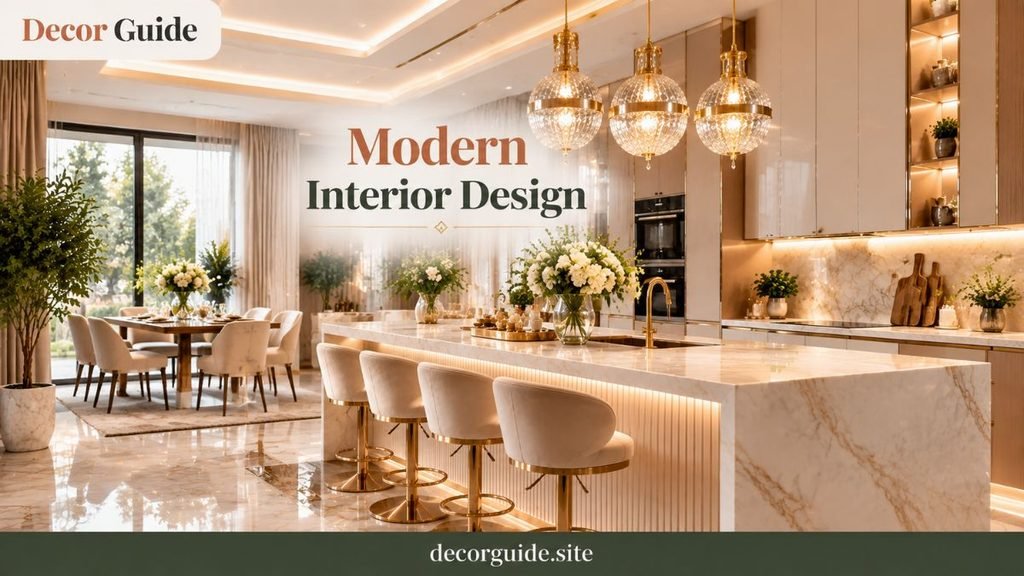
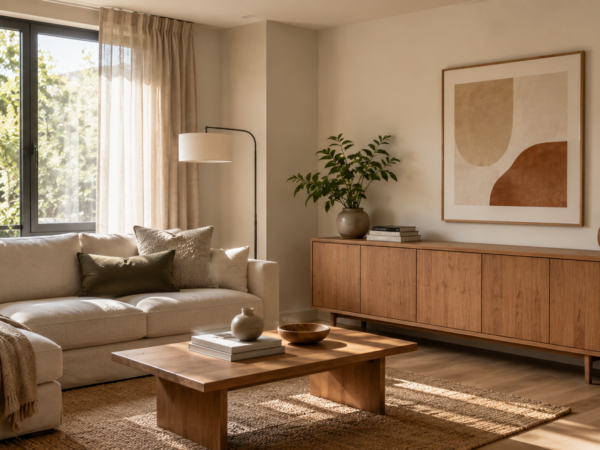
Modern design usually focuses on clean lines, simple shapes, and a controlled visual appearance. Furniture tends to have clear forms without excessive decoration.
Neutral colors are common, although a stronger color can be introduced through one important piece such as a chair, artwork, or rug.
Modern design works particularly well when you want a room to feel organized and uncluttered. It can also be adapted to smaller rooms because simple furniture can prevent the space from feeling visually crowded.
A common mistake is making a modern room too cold. Add texture through fabric, wood, rugs, plants, or carefully chosen artwork to create more warmth.
Contemporary Interior Design
Contemporary design changes over time because it reflects current preferences rather than following one historical period.
You may see clean furniture, neutral backgrounds, curved shapes, natural materials, and carefully selected decorative pieces in contemporary rooms.
The key is balance. You can use current design ideas without filling the room with every trend at once.
If you are decorating on a budget, keep larger pieces simple and introduce contemporary character through smaller items that can be changed later.
Minimalist Interior Design
Minimalist design focuses on simplicity, function, and visual breathing room.
That does not mean a room should be empty. It means every visible item should have a reason to be there.
Start by removing items that do not serve a useful purpose or add genuine visual value. Then choose furniture with simple shapes and keep the color palette controlled.
Storage becomes especially important in minimalist interiors. Everyday items should have a practical place so that surfaces remain clear.
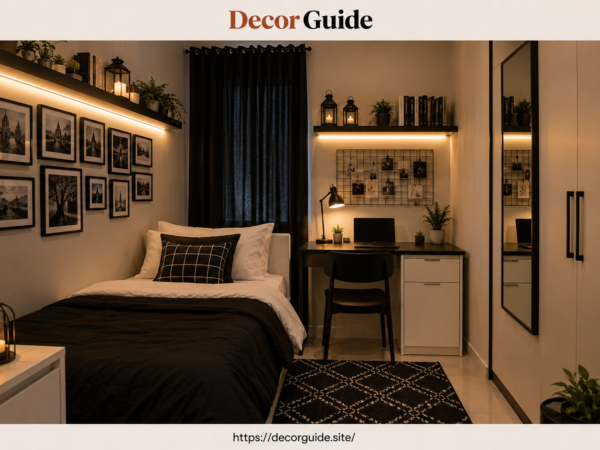
For a small room, minimalist ideas can be useful because fewer visual distractions can make the space feel more open.
Scandinavian Interior Design
Scandinavian design is known for simple forms, practical furniture, light colors, natural materials, and a comfortable atmosphere.
Light wood, soft textiles, simple lighting, and neutral colors can create the foundation.
The room should still feel lived in. Add a few personal objects, plants, books, or textured fabrics instead of trying to make everything perfectly plain.
Scandinavian ideas are also useful for apartments and compact homes because they generally prioritize function without sacrificing comfort.
Traditional Interior Design
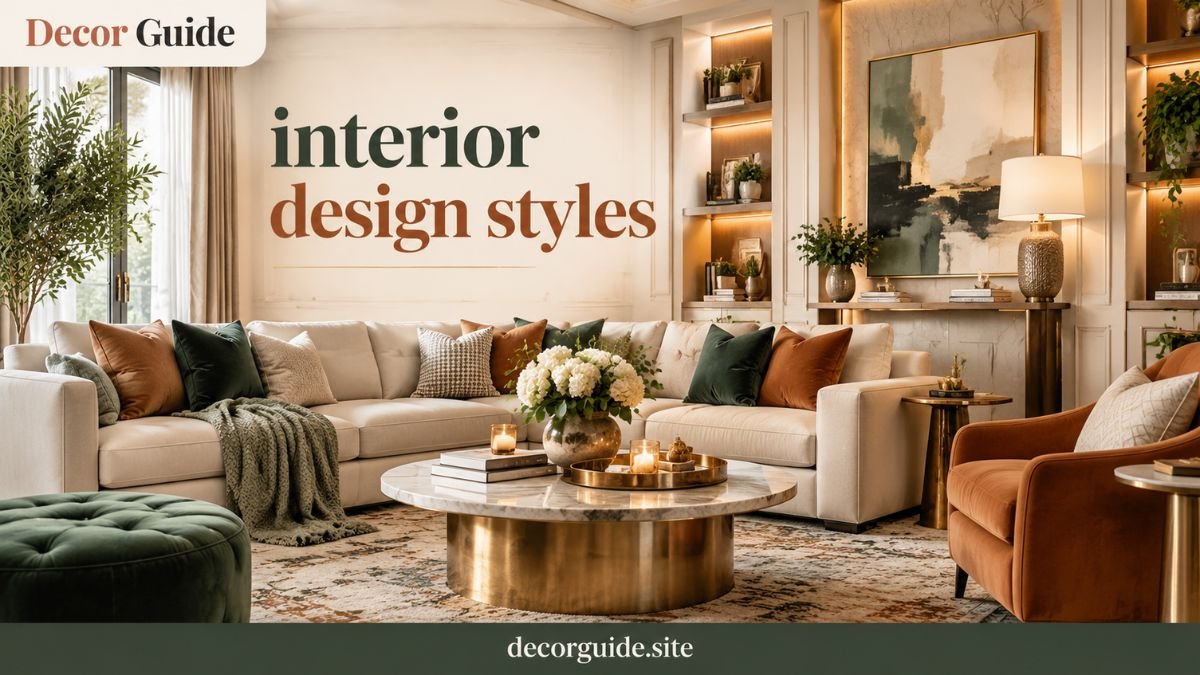
Traditional design often includes detailed furniture, classic patterns, balanced arrangements, decorative accessories, and richer materials.
This style can make a large living room or dining room feel established and elegant.
The challenge is avoiding visual overload. If the furniture already contains strong details, keep some surrounding elements quieter.
Traditional design can also be updated. You can use classic furniture with simpler artwork, restrained colors, and modern lighting to create a room that feels current without losing its traditional character.
Transitional Interior Design
Transitional design combines traditional details with modern simplicity.
This makes it useful for people who like the warmth of traditional interiors but do not want a heavily decorated room.
A practical approach is to use comfortable furniture with simple shapes, then introduce traditional character through wood details, classic artwork, subtle patterns, or decorative accessories.
The result can feel balanced rather than strongly tied to one design period.
Industrial Interior Design
Industrial design often takes inspiration from warehouses, workshops, and functional buildings.
Materials such as metal, wood, brick, and concrete can become visible design features.
Dark colors may be combined with natural wood and simple furniture. Lighting can also play an important role in creating the atmosphere.
For a home, you do not need exposed brick or concrete everywhere. A few industrial elements can create the effect without making the room feel unfinished.
Bohemian Interior Design
Bohemian design allows more freedom with colors, textures, patterns, plants, artwork, and collected objects.
It works well for people who enjoy rooms that feel personal rather than perfectly coordinated.
The main challenge is creating a sense of order within the variety. Choose one visual connection between different pieces, such as a repeated color, material, or textile.
In a small space, use vertical areas for plants, artwork, and storage so that the floor does not become crowded.
Japandi Interior Design
Japandi design combines Japanese simplicity with Scandinavian warmth.
The style often uses natural materials, restrained colors, simple furniture, and carefully chosen decoration.
The goal is not to fill the room. It is to create a calm environment where practical pieces also contribute to the overall appearance.
This approach can work particularly well in bedrooms, living rooms, and compact homes where unnecessary furniture can quickly become a problem.
How to Choose Interior Design Styles for Your Home
The best way to choose between interior design styles is to study your actual home before buying anything.
Look at the architecture, natural light, existing furniture, room size, and the way you use the space.
If your home already contains warm wood floors and classic architectural details, a heavily industrial direction may require more changes than a transitional or traditional approach.
If you live in a compact apartment, simple furniture and controlled decoration may be easier to manage than a style that depends on many large decorative pieces.
Also think about maintenance. A beautiful room that requires constant rearranging may not suit a busy household.
Start with three questions.
How do I want the room to feel?
What furniture do I already own?
What can realistically change?
Your answers will usually narrow the choices quickly.
How to Mix Different Interior Design Styles
Mixing interior design styles can create a more personal home, but the room still needs visual connections.
Choose one main style as the foundation. Then introduce elements from another style through furniture, lighting, artwork, textiles, or accessories.
For example, a modern living room can include a traditional wooden table. A Scandinavian room can include one industrial light fixture. A traditional bedroom can use contemporary artwork.
The mistake is giving every object equal visual importance.
Instead, let one style dominate and allow the secondary style to appear in smaller amounts.
Lighting is particularly useful when combining styles because the right fixture can connect different materials and furniture shapes. If you want to explore this further, see our guide on Accent Lighting Living Room for ideas on using lighting to add depth and atmosphere without overcrowding the room.
How to Use Color With Interior Design Styles
Color should support the style rather than control the entire room.
Start with the largest surfaces. Walls, floors, sofas, curtains, and large rugs create the visual foundation.
Then add smaller color accents through cushions, artwork, decorative objects, or plants.
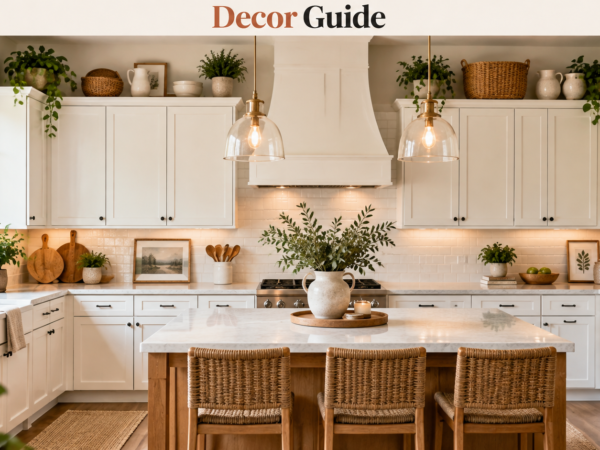
A neutral room does not have to be completely beige or white. Natural wood, soft green, warm gray, cream, and muted earthy shades can all create a calm foundation.
If you prefer stronger colors, use them intentionally. One deep color on an accent wall or a few carefully selected accessories can have more impact than using many unrelated shades.
When selecting interior design styles, look at the colors already present in your home before choosing a new palette.
Interior Design Styles for Small Spaces
Small rooms need careful planning because every piece takes up both physical and visual space.
Choose furniture based on what the room actually needs. A small living room may need seating and storage, but it may not need a large decorative cabinet.
Use vertical space where possible. Tall shelving, wall mounted storage, artwork, mirrors, and lighting can help use the walls while keeping the floor clearer.
Choose furniture that serves more than one purpose when appropriate. A storage ottoman can provide seating and hidden storage. A console can provide display space while keeping a narrow footprint.
Light colors can help create an airy feeling, but you do not have to avoid dark colors completely. A smaller room can still have character when darker shades are used thoughtfully.
Budget Friendly Ways to Apply Interior Design Styles
You do not need to replace everything to change the style of a room.
Start with what you already own. Rearrange furniture, remove unnecessary pieces, change the position of artwork, and organize visible clutter.
The free option is editing. Remove items that do not support the room and see how the space feels.
A lower cost approach can involve textiles, artwork, plants, storage baskets, lamps, or small decorative pieces.
A moderate budget can be used for one important furniture piece such as a sofa, dining table, bed, or storage unit.
A higher budget allows larger changes such as flooring, built in storage, lighting installation, wall finishes, or major furniture replacement.
Spend more carefully on items that are difficult to replace. Decorative accessories are easier to change later.
Common Mistakes When Choosing Interior Design Styles
One common mistake is copying an entire room without considering the size or architecture of your own home.
Another mistake is buying decorative objects before deciding what the room actually needs.
It is also easy to confuse a design style with a color palette. A beige room is not automatically minimalist, and a room with wood is not automatically Scandinavian.
Another problem is mixing too many unrelated styles. Variety can make a room interesting, but without a visual connection it can quickly feel random.
Avoid buying everything at once. Add important pieces gradually and observe how the room develops.
Most importantly, do not choose a style only because it looks attractive in photographs. Think about how the room needs to function every day.
How to Create a Cohesive Interior
A cohesive home does not require every room to look identical.
Instead, repeat a few visual ideas throughout the home.
You might use similar wood tones, related colors, matching metal finishes, or similar textile textures.
The connection can be subtle.
For example, warm wood in the living room can be repeated in the bedroom. A muted green used in artwork can appear again through cushions or plants.
When using interior design styles across several rooms, choose one overall feeling for the home and allow each room to have its own character.
This creates variety without making the home feel disconnected.
Final Thoughts on Interior Design Styles
The purpose of interior design styles is to help you make better decorating decisions, not to place your home inside a strict category.
Start with your lifestyle and the way you use each room. Then consider the architecture, available space, existing furniture, colors, materials, lighting, and storage needs.
Modern, minimalist, Scandinavian, traditional, transitional, industrial, bohemian, Japandi, and contemporary approaches can all work beautifully when they are adapted to the people living in the home.
Choose a foundation, add personality gradually, and give every major piece a clear purpose.
A successful room does not need to follow every design rule. It simply needs to feel intentional, comfortable, practical, and connected.
Frequently Asked Questions
What are the most popular interior design styles
Popular choices include modern, contemporary, minimalist, Scandinavian, traditional, transitional, industrial, bohemian, and Japandi design. Each style can also be adapted rather than copied exactly.
Can I mix two interior design styles
Yes. Choose one style as the main foundation and introduce the second style through selected furniture, lighting, artwork, textiles, or accessories.
Which interior design style works well for small rooms
Minimalist and Scandinavian approaches can work well in small rooms because they generally emphasize simple furniture, practical layouts, and visual openness.
How do I choose an interior design style
Start by considering how you want the room to feel, what furniture you already own, how much space you have, and how the room is used every day.
Do all rooms in a home need the same design style
No. Rooms can have different personalities while still sharing colors, materials, furniture details, or other visual elements that create a connection.
Can interior design styles be changed without buying new furniture
Yes. Rearranging furniture, removing clutter, changing textiles, updating artwork, improving lighting, and reorganizing storage can noticeably change the appearance of a room without replacing everything.