Designing a child’s bedroom is not only about choosing bright colours, cute decorations, or themed furniture. A successful kids’ bedroom needs to support everyday life. It should provide space for sleeping, playing, learning, storing belongings, and developing independence.
Many children’s rooms become difficult to manage because they are designed only for appearance. Too many decorations, limited storage, oversized furniture, or layouts that ignore how children actually use the room can quickly create clutter.
The best bedroom decor for kids combines creativity with practical organisation. A well planned room gives children a place that feels personal while helping parents maintain order more easily.
Plan the Bedroom Around Your Child’s Needs
Before choosing paint colours or decorative items, think about how the room will be used.
A younger child may need more open floor space for play, while an older child may need a study area, book storage, and a place to display personal interests.
Consider these questions:
- Does your child need more storage or more play space?
- Are toys, books, and clothing easy to access?
- Is there enough lighting for reading and homework?
- Can your child independently put things away?
- Will the design still work as your child grows?
A bedroom should match the child’s current stage while allowing some flexibility for future changes.
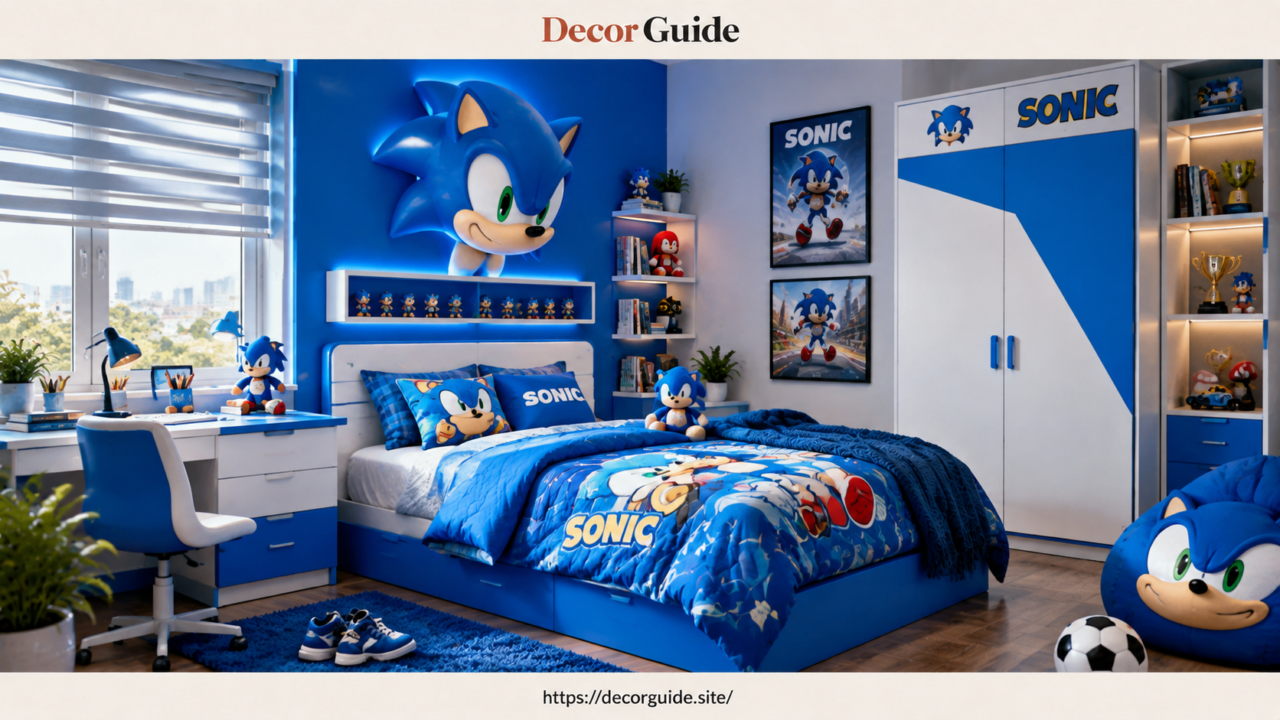
For example, instead of creating an entire room around a cartoon character, use smaller themed elements such as bedding, wall art, or removable decorations. This makes updating the room easier later.
Choose a Theme Without Making the Room Feel Temporary
Themes can make a child’s bedroom exciting, but they should be used carefully.
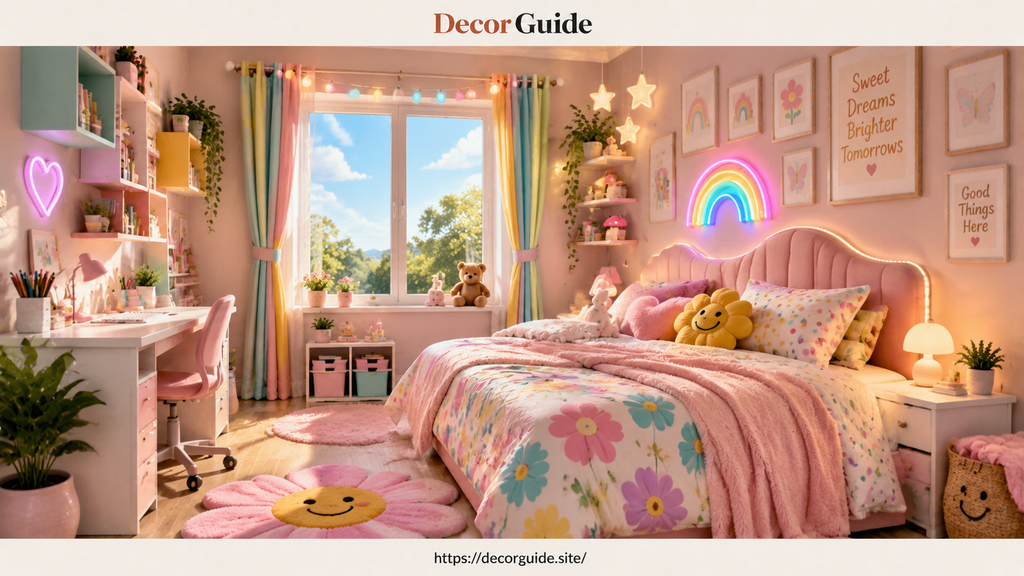
A room completely designed around one short term interest may need expensive changes after a few years. A more practical approach is creating a simple base design and adding personality through replaceable details.
Good flexible decorating choices include:
- Artwork that can be changed easily
- Colourful cushions
- Rugs
- Curtains
- Bedding
- Display shelves
- Personal collections
A nature inspired room, space theme, reading corner, sports area, or creative studio can all work well when the main furniture remains neutral.
More Practical Bedroom Decor Ideas for Kids
Creating a child’s bedroom is an ongoing process because children’s needs, interests, and routines continue to change. A room that works perfectly for a young child may need adjustments as they start school, develop hobbies, or need more personal space.
The most successful bedroom decor for kids focuses on creating a flexible environment that can adapt over time instead of requiring complete redesigns every few years.
Design the Room According to Your Child’s Age
A child’s age plays an important role in deciding furniture, storage, and decorative choices. The same bedroom layout will not work equally well for a toddler and an older child.
Bedroom Ideas for Toddlers
Toddlers usually need more open floor space because play is a major part of their daily routine. Their bedroom should make it easy to access toys while keeping frequently used items organised.
Useful ideas include:
- Low shelves where children can reach books and toys
- Soft rugs for comfortable play areas
- Toy baskets placed at child height
- Simple artwork and colourful decorations
- Easy to open storage solutions
At this stage, safety and accessibility are more important than having a highly decorated room.
Bedroom Ideas for School Age Children
As children start school, their bedrooms often need to support learning as well as relaxation.
A practical setup may include:
- A comfortable study desk
- Storage for school supplies
- Bookshelves
- A dedicated area for creative activities
- Better organisation for clothing and personal items
Keeping study materials separate from toys can help children understand different areas of the room and develop better routines.
Bedroom Ideas for Older Kids
Older children usually want more control over their personal space. Their interests become stronger, and they may prefer a room that reflects their personality.
Instead of creating a complete themed room, consider allowing them to customise smaller areas with:
- Posters
- Artwork
- Display shelves
- Hobby collections
- Decorative cushions
This approach allows the room to feel personal while remaining practical for future changes.
Create a Shared Bedroom That Works for Multiple Children
When siblings share a bedroom, organisation and layout become even more important.
Each child should have some personal space, even if the room is small.
Helpful ideas include:
- Giving each child their own storage area
- Using separate shelves or drawers
- Creating individual display spaces
- Choosing furniture that saves floor space
- Using similar colours with personal decorative touches
For example, two children can share the same wardrobe while having separate labelled drawers or shelves for their belongings.
A shared bedroom does not need to look identical on both sides. Small differences in bedding, artwork, or accessories can help each child feel connected to the space.
Budget Friendly Ways to Improve a Kids Bedroom
A beautiful child’s room does not always require expensive furniture or major renovations. Small improvements can significantly change how the room looks and functions.
No Cost Improvements
Before buying anything new, look at what you already have.
Simple changes include:
- Rearranging furniture for better movement
- Removing unused toys
- Rotating decorations
- Organising books by size or category
- Creating a dedicated place for frequently used items
Sometimes reducing clutter makes a bigger difference than adding new decorations.
Low Cost Updates
Affordable changes can refresh the room without a large budget.
Examples include:
- New bedding
- Decorative cushions
- Storage baskets
- Wall prints
- Colourful organisers
- Curtains or rugs
These items are easy to replace as children grow and their preferences change.
Bigger Improvements
For families planning a long term bedroom upgrade, consider investing in:
- Quality furniture
- Built in storage
- Adjustable desks
- Better lighting
- Durable flooring
The best investment is usually something that improves how the room works every day.
Balance Decoration With Everyday Function
A child’s bedroom should look attractive, but it also needs to support daily habits.
A common mistake is creating a room filled with decorations but leaving little space for movement, storage, or play.
When choosing decorative items, consider:
- Does this item have a purpose?
- Is it easy to clean?
- Does it make the room easier or harder to organise?
- Can it remain useful as the child grows?
For example, a bookshelf can provide storage and decoration at the same time. A display shelf can showcase favourite items while preventing surfaces from becoming cluttered.
The best bedroom decor for kids combines beauty with practicality.
Simple Habits That Keep a Kids Bedroom Organised
Even a well designed room can become messy without simple routines.
Parents can encourage organisation by creating easy habits:
- Put toys back after playtime
- Keep school bags in one place
- Review clothing regularly
- Remove broken or unused items
- Reset the room before bedtime
Children do not need a perfect room every day. The goal is creating a system that is simple enough for them to follow.
When storage locations are clear and belongings have a designated place, children gradually learn responsibility for their own space.
Furniture usually stays longer than decorative items, so invest attention in pieces that can adapt.
A simple wooden bed, neutral wardrobe, and practical shelving system can work through multiple childhood stages. Personality can then come from accessories that are easier and less expensive to replace.
For example:
A toddler room may have animal prints and colourful toys displayed openly. Later, the same room can become a study focused space by changing artwork, adding a desk, and reorganising storage.
Create Smart Storage for Toys, Clothes, and Books
Storage is one of the most important parts of kids’ bedroom design.
Children often have many categories of belongings:
- Toys
- Books
- Clothes
- School supplies
- Craft materials
- Collections
- Keepsakes
Without a clear system, these items quickly spread throughout the room.
The goal is not simply adding more containers. The goal is creating storage that matches how your child uses things.
Start by grouping similar items together. For example:
- Daily use toys should be easy to reach.
- Seasonal items can be stored higher or under the bed.
- Special collections can have dedicated display areas.
- Outgrown clothing should be removed regularly.
Use Accessible Storage Systems Children Can Maintain
Children are more likely to keep their rooms organised when storage is simple.
Useful ideas include:
Open shelves:
Good for books, favourite toys, and items children use frequently.
Baskets and bins:
Helpful for categories like building blocks, dolls, art supplies, and small toys.
Under bed storage:
Useful for storing less frequently used items without taking extra floor space.
Wall storage:
Shelves, hooks, and hanging organisers can use vertical space effectively.
Avoid creating storage systems that are difficult for children to understand. If putting something away requires many steps, children are less likely to maintain the system.
Select Furniture That Supports Comfort and Function
Furniture placement affects how a child experiences the room.
A good layout usually separates different activities:
- Sleeping zone
- Playing zone
- Learning zone
- Storage zone
The bed should provide comfort, but it should not dominate the entire room if the child needs play space.
For smaller bedrooms, consider:
- Beds with storage underneath
- Compact desks
- Wall mounted shelves
- Multi purpose furniture
- Vertical storage solutions
However, avoid filling every available corner with furniture. Empty space is valuable because children need room to move and play.
A balanced room often feels more comfortable than a room packed with useful items.
Use Colour, Lighting, and Decor to Create the Right Atmosphere
Colour has a major impact on how a bedroom feels.
Bright colours can make a room feel energetic, while softer shades can create a calmer environment. The best choice depends on the child’s personality and the overall purpose of the room.
Instead of using strong colours everywhere, consider:
- Neutral walls with colourful accessories
- A feature wall
- Decorative artwork
- Colourful storage containers
- Patterned textiles
Lighting is equally important.
A child’s bedroom may need:
- General ceiling lighting
- Reading light near the bed
- Desk lighting for study activities
- Soft lighting for relaxing
Decor should also reflect the child’s personality.
Good decorative areas include:
- A gallery wall for artwork
- A bookshelf display
- A small collection shelf
- A reading corner
- A creative activity area
The room should feel like it belongs to the child.
Common Mistakes to Avoid When Decorating Kids’ Bedrooms
Creating a Room That Looks Good but Does Not Work
A beautiful room can still fail if storage is poor or furniture placement makes daily routines difficult.
Always consider function before decoration.
Adding Too Many Decorative Items
Too many accessories can create visual clutter and make cleaning harder.
Choose meaningful pieces instead of filling every surface.
Buying Storage Before Decluttering
More storage does not always solve organisation problems.
First decide:
- What should stay?
- What is no longer used?
- What needs daily access?
- What can be stored elsewhere?
Then choose storage based on actual needs.
Ignoring Your Child’s Opinion
Children do not need complete control over every design decision, but including them helps create a space they enjoy using.
Let them choose smaller elements such as:
- Artwork
- Bedding
- Favourite colours
- Display items
Maintain an Organised Kids Bedroom Over Time
A well designed room still needs simple maintenance habits.
Create easy routines:
- A quick toy reset before bedtime
- Regular clothing checks
- Seasonal organisation sessions
- A place for school items
- Weekly surface cleaning
The organisation system should fit your family’s lifestyle.
A child’s bedroom will naturally change as interests, hobbies, and needs develop. The goal is not a perfect showroom room. The goal is a comfortable space that works for real family life.
A thoughtful approach to bedroom decor for kids creates a room that supports imagination, independence, and everyday routines while remaining practical for parents.
FAQ
What is the best way to decorate a child’s bedroom?
The best approach is to combine your child’s personality with practical design. Use flexible decor, comfortable furniture, accessible storage, and a layout that supports sleeping, playing, and learning.
How can I make a small kids bedroom look bigger?
Use vertical storage, lighter colours, multi purpose furniture, and avoid overcrowding the room with unnecessary furniture or decorations.
Should kids’ bedrooms have themes?
Themes can work well when used through removable elements like bedding, artwork, and accessories rather than permanent furniture or expensive changes.
How can I organise toys in a child’s bedroom?
Group similar toys together and use accessible bins, shelves, and baskets. Make sure children can easily see where items belong.
What furniture is essential for a kids bedroom?
Most children’s bedrooms need a comfortable bed, clothing storage, lighting, and enough open space for activities. Additional furniture depends on age and needs.
How often should a child’s bedroom be reorganised?
A small reset every few weeks and a larger review when seasons or interests change can help keep the room functional.