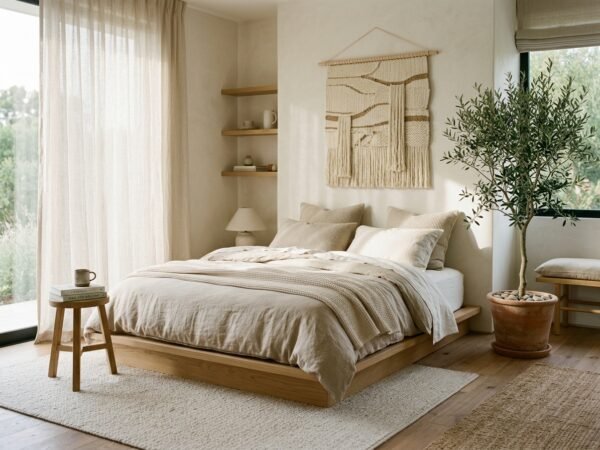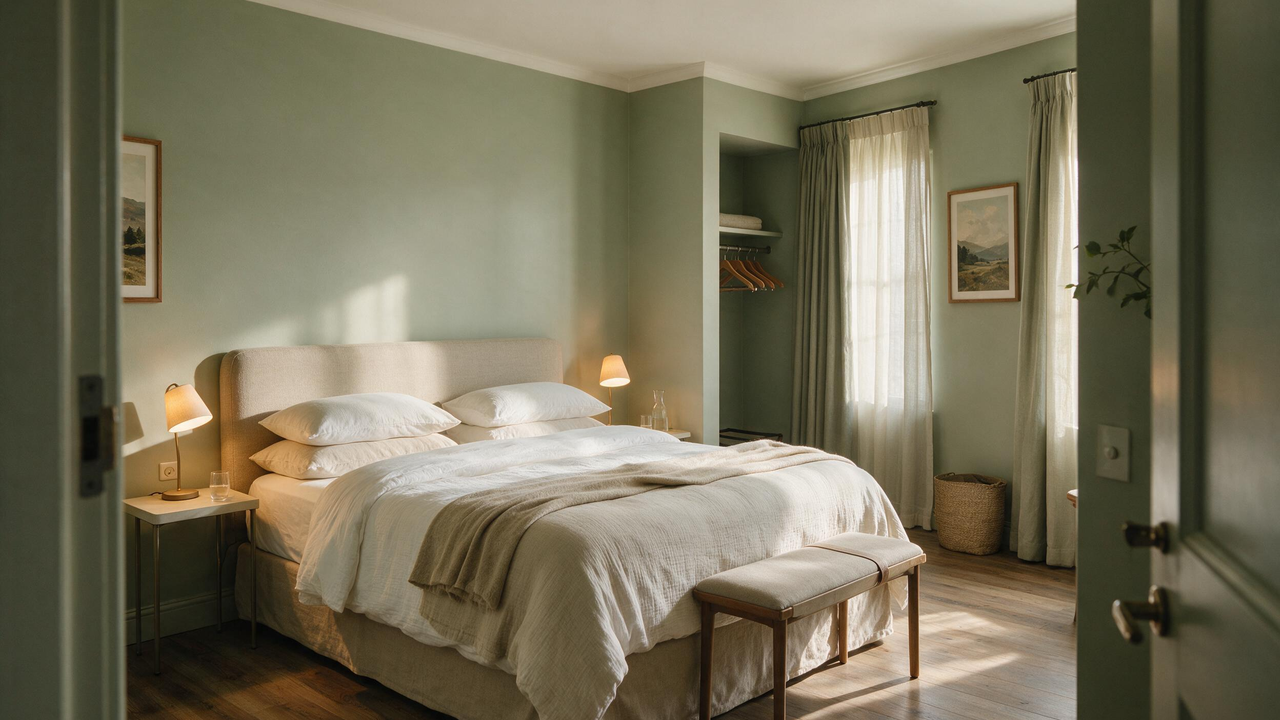
introduction to Decorate a Guest Room
How to Decorate a Guest Room That Feels Comfortable and Thoughtful
A well-decorated guest room should do more than look attractive in photos. It should help visitors sleep comfortably, find what they need, store their belongings, and feel welcome without making the space seem overly formal. The best guest bedrooms combine the practical details of a good hotel room with the warmth and personality of a real home.
To decorate a guest room successfully, start with the bed and layout, then build around lighting, storage, privacy, color, and a few useful amenities. This guide explains how to make the most of a large or small spare room, choose furniture that suits different types of guests, avoid common decorating mistakes, and create a polished space without buying everything new.
Start With Comfort and Layout
Before choosing paint colors or decorative accessories, decide how the room should function. A guest room may host someone for one night, a week, or several months, so comfort and flexibility matter more than creating a heavily themed space.
Choose the best bed for the room
If the room is large enough, a queen bed is usually the most versatile choice for a U.S. home. It gives couples room to sleep comfortably while remaining practical for one person. A full-size bed can work well in a smaller room, while twin beds are useful when you regularly host children, siblings, or friends who prefer separate sleeping spaces.
A daybed, sleeper sofa, trundle, or Murphy bed can make sense when the room also serves as an office, playroom, or exercise space. However, check the mattress carefully. A multifunctional room is only successful if the sleeping arrangement is genuinely comfortable rather than a temporary compromise.
Place the bed where guests can get in and out easily. Ideally, leave usable walking space on both sides, especially if two people may share the room. Avoid pushing the bed directly against a wall unless the room is very small. In a compact guest bedroom, one generous walkway is often more useful than several narrow gaps between furniture.
Keep doors, windows, and outlets accessible
Do not block the entry door, closet, radiator, air vent, or main window with the bed or a tall dresser. Windows provide daylight and ventilation, while clear access to outlets makes it easier to use lamps, chargers, and other devices.
Before finalizing the layout, stand at the doorway and look across the room. The bed will usually become the visual anchor, so it should appear intentional from the entrance. If the room has an attractive window or architectural feature, arrange the furniture so it remains visible rather than hidden behind a headboard or wardrobe.
Add a place for luggage
Guests need somewhere to open a suitcase without placing it on the bed. A folding luggage rack is convenient, but a sturdy bench, low ottoman, cedar chest, or clear section of floor can serve the same purpose. Keep this surface empty before guests arrive.
If you use a bench at the end of the bed, choose one that does not make the walking path feel cramped. In a small room, a foldable rack or a slim stool may be more practical than a full-width bench.
Build the Room Around the Bed
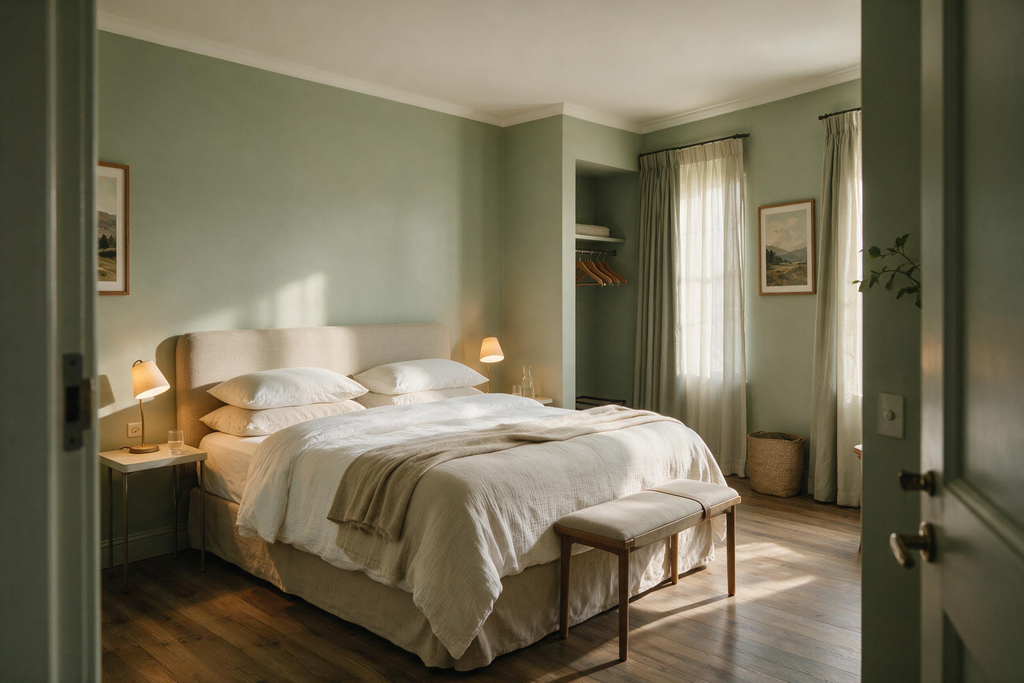
The bed is both the main piece of furniture and the feature guests notice first. It should look inviting without being overloaded with pillows or decorative layers that have to be removed before sleeping.
Use bedding in simple, washable layers
Begin with a supportive mattress, a washable mattress protector, and comfortable sheets. Crisp white bedding creates a clean, hotel-inspired look, but soft gray, sand, blue, sage, and muted patterns can also feel relaxed and welcoming. The more colorful the sheets, the more important it is to choose a palette that will not quickly feel dated.
Layer the bed with:
- Fitted and flat sheets or a duvet system.
- Two sleeping pillows per person, with a mix of firmness if possible.
- A lightweight blanket folded at the foot of the bed.
- A washable quilt or coverlet for visual texture.
- One or two decorative pillows rather than an impractical pile.
Choose bedding based on the season. Breathable cotton or linen blends suit warmer weather, while a duvet or wool-style blanket adds warmth in colder months. Keep an extra blanket in the closet or in a clearly labeled basket so guests do not have to search for it.
Select a headboard with purpose
A headboard can add height, softness, and a finished look, but it does not have to be expensive. Upholstered headboards create a comfortable surface for reading, while wood, rattan, painted paneling, and even a carefully installed wall treatment can provide character.
In a small room, avoid a headboard that is excessively deep or visually heavy. A wall-mounted design, slim upholstered panel, or vertical painted feature may provide the same focal point while preserving floor space.
Make the bedside area functional
Every sleeping position should have access to a surface for glasses, a phone, water, and a book. If two nightstands will not fit, use one table plus a wall-mounted shelf or narrow pedestal on the other side.
Each bedside area should ideally include:
- A reading lamp with a reachable switch.
- A visible outlet or charging access.
- A coaster or small tray.
- A water glass or carafe.
- Enough room for personal items.
A lamp that only creates ambient light may look attractive but is frustrating for someone who wants to read. Wall sconces can save space in a narrow room, while plug-in sconces offer a less permanent option for renters.
Choose a Calm, Flexible Color Palette
Guest rooms should feel personal enough to seem warm but neutral enough to suit different visitors. This does not mean the room must be beige or white. It means the larger, more expensive elements should work with a range of tastes.
Use color in layers
A simple palette might include one dominant wall color, a secondary textile color, and a small accent. For example:
- Warm white walls, oatmeal bedding, and olive accessories.
- Pale blue walls, white linens, and walnut furniture.
- Soft taupe walls, cream bedding, and rust-colored artwork.
- Muted green walls, natural wood, and brass or black accents.
If you want a stronger color, use it on one wall, in wallpaper, or through a quilt and artwork rather than covering every surface. Tone-on-tone color can add depth without making the room feel busy. A navy wall with pale blue bedding, for example, creates contrast while remaining restful.
Add personality through movable pieces
Artwork, lamps, curtains, pillows, and small objects are easier to replace than flooring, cabinetry, or a large upholstered bed. Use these pieces to give the room a sense of place.
Choose artwork that is pleasant to look at but not overly personal. Family photographs may make some guests feel as if they are sleeping in someone else’s private space. Landscapes, abstract pieces, botanical prints, maps, and locally meaningful art are safer choices.
A mirror can make a small room feel brighter and gives guests a place to check their appearance. Mount it securely, and avoid placing it where early morning sunlight creates glare directly across the bed.
Layer the Lighting
Good lighting is one of the most noticeable differences between an ordinary spare room and a genuinely comfortable guest room. A single overhead fixture rarely provides enough flexibility.
Create three types of light
Use a combination of:
- Ambient light for general illumination.
- Task light for reading, dressing, or working.
- Accent light for warmth and atmosphere.
A ceiling fixture handles basic visibility, bedside lamps support reading, and a small floor lamp or table lamp can soften the room in the evening. Put lights on separate switches when possible so guests can control the room without getting out of bed.
Use warm-toned bulbs rather than harsh, cool light. If the room doubles as an office, a desk lamp can provide focused light during the day without forcing the entire room to be brightly lit at night.
Treat the windows for sleep and privacy
Window coverings should allow guests to control daylight and privacy. Blackout shades or lined curtains are particularly useful when the room receives early morning sun, faces a street, or is used by people with different sleep schedules.
For a softer appearance, combine a privacy shade with curtains. Make sure the curtains close fully and that the control for blinds or shades is easy to reach. Decorative window treatments that cannot block glare or provide privacy are incomplete solutions.
Add Storage Without Cluttering the Room
Guests should not have to live out of a suitcase, even during a short visit. Clear a section of the closet and provide at least a few empty drawers or shelves.
Prepare the closet
Leave room for hanging clothes and include sturdy hangers. A luggage shelf, hooks, or a small set of drawers can help guests organize bags, shoes, and folded clothing. Remove seasonal items, spare boxes, and personal clutter from the room before visitors arrive.
If the closet is too small, provide an open garment rack, wall hooks, or a compact dresser. Avoid filling every surface with decorative objects. Empty space is useful in a guest room because it gives visitors somewhere to put their belongings.
Use small-room storage strategically
In a compact guest room, choose furniture that performs more than one job:
- A bed with drawers for extra blankets.
- A nightstand with a cabinet rather than an open-only table.
- Floating shelves instead of a deep bookcase.
- A storage ottoman that can hold linens.
- Wall hooks behind the door for robes or bags.
- Nesting tables that can be separated when needed.
Use baskets to contain extra towels, blankets, toiletries, or small personal items. They make supplies easy to find without adding visual clutter. Keep storage labeled only when the label is genuinely helpful; guests should not need a written explanation for every object in the room.
Make the Room Feel Welcoming
Decorating is only part of hospitality. A few practical details can make the room feel considered without turning it into a hotel imitation.
Provide the essentials
A thoughtful guest room may include:
- Fresh towels placed where guests can see them.
- A small wastebasket.
- A mirror with useful lighting.
- A working clock, if desired.
- Wi-Fi information.
- A phone charger that matches common devices or a universal charging station.
- Tissues and a small amount of closet or drawer space.
- An extra blanket and spare pillow.
A small tray with bottled or filtered water, tea bags, wrapped snacks, or glasses can be useful, especially if the bathroom or kitchen is not nearby. Avoid leaving perishable food or strongly scented products unless you know the guest’s preferences.
Keep the bathroom connection in mind
If the guest bathroom is shared, make its location obvious and keep basic supplies accessible. Spare toothbrushes, toothpaste, soap, shampoo, conditioner, and other necessities can be placed in a small basket. Guests often hesitate to ask for items they forgot, so discreetly available basics are more useful than elaborate decorative amenities.
Use scent carefully
A guest room should smell clean, not perfumed. Air the room, wash fabrics, and address sources of odor before adding fragrance. If you use a diffuser, candle, or linen spray, choose a subtle scent and avoid it entirely when guests may have allergies, asthma, or scent sensitivity.
Plants can add life, but select varieties that tolerate the room’s light and watering schedule. A fresh branch, seasonal flowers, or a low-maintenance plant is enough. Do not crowd the bedside table, where guests need space for their belongings.
Decorate for Different Guest Needs
The best design depends partly on who uses the room. Think about visitors’ routines rather than decorating for an imagined photograph.
For couples and longer stays
A queen bed, two bedside surfaces, a full-length mirror, and generous closet space are valuable. Add a chair or bench if the room permits, giving guests somewhere to sit without using the bed.
For longer stays, prioritize storage and a comfortable place to read or work. A small desk with an outlet may be more useful than a television. If you include a television, mount it carefully and provide simple instructions for the remote.
For children and families
A twin-bed arrangement or trundle can make the room flexible. Choose washable fabrics, rounded furniture edges, and storage for toys or bags. A dimmable lamp or night-light can help younger children feel more secure without leaving a bright overhead light on all night.
For older guests or guests with limited mobility
Keep pathways wide, remove loose rugs that slide, and make sure lighting switches are easy to reach. A bed that is too low can be difficult to use, while a very high bed can also be awkward. A stable chair with arms may be more useful than a delicate accent seat.
Avoid placing cords across walking routes. Secure rugs with suitable pads and keep frequently used items between waist and shoulder height when possible.
Common Guest Room Mistakes
Small decisions can make a room look finished but feel inconvenient.
Overdecorating the bed
Too many pillows, heavy throws, or fragile accessories create work for guests. Keep the sleeping surface easy to use and provide an obvious place to put decorative items at night.
Using furniture that leaves no walking space
A large dresser or oversized chair may look good in a spacious showroom but overwhelm a typical spare room. Measure furniture, door swings, and walking routes before purchasing.
Forgetting temperature control
Guests may sleep warmer or cooler than you do. Make blankets easy to find, keep a fan available if appropriate, and ensure the thermostat or heating controls are understandable. Curtains and window coverings also affect how comfortable the room feels.
Leaving personal storage in the room
A guest room should not feel like a storage unit that happens to contain a bed. Remove laundry, paperwork, boxes, and personal collections from visible surfaces. The room can still have character without displaying every item you own.
Choosing style over maintenance
White upholstery, delicate rugs, and easily damaged finishes may require constant attention. Select washable bedding, durable surfaces, and fabrics suited to the way the room is actually used. A beautiful guest room is more successful when it is easy to reset between visits.
FAQs
What should every guest room have?
At minimum, provide a comfortable bed, clean bedding, a bedside surface, a reading light, window coverings, a place for luggage, access to outlets, fresh towels, and some empty storage. A mirror, Wi-Fi information, water, and an extra blanket make the room more convenient.
What is the best color for a guest bedroom?
The best color is one that feels calm and works with several styles. Soft white, warm beige, pale blue, muted green, gray, and earthy neutrals are flexible choices. If you prefer a bold color, use it on one wall or in accessories so the room remains balanced.
How can I decorate a small guest room?
Use a full or twin bed when a queen would make the room difficult to navigate, and choose furniture with built-in storage. Floating shelves, wall-mounted lighting, under-bed drawers, hooks, and foldable luggage racks preserve floor space. Keep the window and main walkway clear.
How do I make a guest room feel like a hotel?
Start with a supportive bed, fresh layered bedding, good bedside lighting, blackout or privacy window treatments, luggage space, and clear storage. Add practical touches such as water, towels, Wi-Fi information, chargers, and basic toiletries. Comfort and convenience matter more than expensive decor.
Should a guest room have a television?
A television is optional. It can be useful for longer stays, but it should not replace essentials such as a comfortable mattress, reading light, storage, or a clear walkway. If you install one, provide simple instructions and position it where it can be viewed without creating glare.
Conclusion
Learning how to decorate a guest room is mainly an exercise in anticipating what visitors need. Begin with a comfortable bed and a practical layout, then add layered lighting, privacy, usable storage, adaptable colors, and a few discreet amenities. Keep the room welcoming but uncluttered, and make sure the design works for the people who will actually use it.
The strongest guest bedrooms do not depend on luxury furniture or a dramatic theme. They feel clean, calm, easy to navigate, and thoughtfully prepared. If every essential has a clear place and guests can settle in without asking for help, the room is doing its job well.