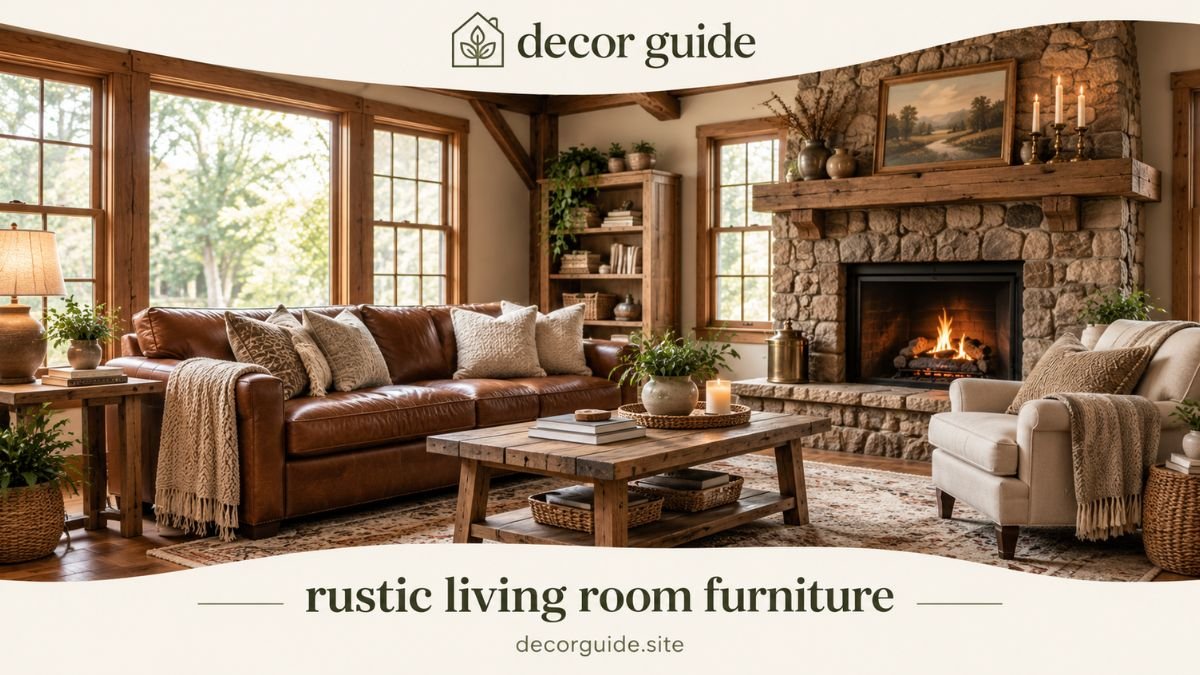
Rustic living room furniture brings natural materials, comfortable seating, and timeless character into your home. The best pieces often include solid wood tables, textured sofas vintage inspired cabinets, and furniture with visible grain or a slightly weathered finish. You do not need a farmhouse or a large country house to make this style work. Even a small modern apartment can feel warmer with a few thoughtful choices.
The secret is balance. Choose furniture that feels natural and practical, then combine it with comfortable fabrics, suitable lighting, and enough open space to keep the room inviting. Whether you are furnishing an entire living room or updating a few tired pieces, rustic design gives you plenty of room to work with your existing decor.
What Makes Rustic Living Room Furniture Special
Rustic furniture celebrates the beauty of natural materials rather than hiding every mark or variation. Wood grain, textured fabrics, sturdy frames, and simple shapes give these pieces their distinctive character.
Unlike highly polished furniture with a perfectly uniform finish, rustic pieces often look relaxed and lived in. A wooden coffee table may show natural grain patterns, while a cabinet might have a gently distressed finish that adds visual interest.
That does not mean rustic furniture needs to look old or rough. Many contemporary designs combine clean lines with natural wood, creating a style that feels both practical and current.
Natural Materials and Honest Finishes
Wood is one of the most recognizable materials in rustic interiors. Oak, pine, reclaimed timber, and other wood finishes can bring warmth to the room. Each has a different appearance, so the right choice depends on your preferred look and the furniture available to you.
Stone, metal, leather, cotton, linen, and woven materials can also complement rustic furniture. A wooden table with black metal legs feels slightly industrial, while a timber cabinet paired with linen upholstery creates a softer atmosphere.
The goal is not to use every natural material at once. Pick two or three that work well together and repeat them throughout the space.
A Comfortable and Uncomplicated Look
Rustic living rooms should feel usable, not staged. Deep seating, accessible side tables, sturdy storage, and durable surfaces are often more valuable than decorative details that serve no purpose.
A room can have beautiful furniture and still feel comfortable enough for an ordinary evening at home. That is what makes rustic design appealing to so many households.
Choose the Right Rustic Sofa for Your Living Room
The sofa is usually one of the largest and most frequently used pieces of furniture in the room. It deserves careful attention before you spend money on smaller decorative items.
Start by considering how you use the living room. If your family watches television together, prioritize supportive seating and enough room for everyone. If the space is mainly for conversation, a smaller sofa with an armchair or two may be a better fit.
Select Upholstery That Complements Rustic Style
Neutral upholstery works particularly well with rustic furniture. Cream, beige, warm gray, muted brown, and earthy green can complement natural wood without competing with its texture.
Leather is another option, especially if you prefer a traditional or industrial rustic look. Fabric sofas, on the other hand, can make the room feel softer and more relaxed.
Consider maintenance before choosing a material. A light colored sofa may brighten a darker room, but it can require more frequent cleaning in a busy household. Removable covers or durable upholstery may be more practical if children or pets regularly use the space.
Balance the Sofa With Other Furniture
A bulky sofa can overwhelm a room when it is paired with an equally heavy coffee table and oversized armchairs. If your main seating already has a substantial shape, consider a simpler side table or an open legged coffee table.
The reverse works too. A compact sofa may need a larger rug or a substantial wooden table to give the seating area enough visual weight.
Before buying anything, measure the available floor area and note the position of doors, windows, and walkways. Leave enough room to move naturally between the seating and other parts of the home.
Find a Rustic Coffee Table That Fits Your Needs
A coffee table brings the seating arrangement together, but its appearance is only one part of the decision. Think about what you actually place on it each day.
Some households need space for drinks, books, and remote controls. Others need a table that can accommodate board games, snacks, or occasional work. A useful design should support these activities without making the room harder to navigate.
Solid Wood and Reclaimed Timber Tables
A solid wood table can become a natural focal point. Its grain adds texture, and its surface can coordinate with other wooden furniture without requiring every piece to match exactly.
Reclaimed timber is worth considering if you like a more individual appearance. Its markings and variations can create character, although the condition and finish should be checked carefully before purchase.
Wooden tables with simple legs are suitable for many rustic rooms. Chunkier designs tend to look more traditional, while slim legs and straightforward shapes feel more contemporary.
Storage Tables for Everyday Living
A coffee table with a shelf, drawer, or concealed compartment can help keep small living rooms organized. Before choosing one, identify what needs to be stored and why.
For example, a lower shelf might hold a few frequently used books, while a drawer can conceal remote controls and small accessories. If you do not need extra storage, an open design may feel lighter and easier to clean around.
Avoid filling every available compartment. The purpose of storage furniture is to make daily life simpler, not to create another place for unused belongings to collect.
Use Rustic Wood Furniture Without Overcrowding the Room
Wood furniture gives rustic interiors much of their warmth, but using too many heavy pieces can make a room feel dark. The solution is to vary the finishes, shapes, and visual weight of the furniture.
A wooden media console, a coffee table, and a side table can work beautifully together. However, if all three are very dark, bulky, and heavily textured, the room may lack contrast.
Mix Wood Tones With Care
You do not need to match every wood finish perfectly. In fact, a little variation can make the room feel more natural.
Try choosing one main wood tone and using it for the largest furniture pieces. Add a lighter or darker finish through a smaller table, shelving, or decorative accessory.
Pay attention to the undertones. Warm honey colored wood often works well with cream and earthy brown, while cooler wood finishes may suit gray upholstery and understated black metal details.
When two finishes look noticeably different, repeating each one somewhere else in the room can help them feel connected.
Add Furniture With Different Shapes
Rustic furniture can look heavy when every piece has straight edges and thick legs. Introduce variety through rounded tables, curved armchairs, open shelving, or a sofa with softer lines.
This contrast keeps the room from feeling too rigid. It also helps the natural wood look more distinctive because the eye has different shapes and surfaces to explore.
Consider Rustic Living Room Furniture for Small Spaces
Rustic style is not limited to spacious country homes. Small apartments and compact living rooms can benefit from natural wood, comfortable seating, and simple furniture with useful storage.
The important thing is to select pieces that fit the room rather than trying to recreate a large farmhouse interior.
Choose Furniture With a Smaller Footprint
A compact sofa, a narrow console, or a small round coffee table may suit a limited floor plan better than oversized furniture.
Furniture with raised legs can also help a room feel more open because more of the floor remains visible. Open shelving offers a similar advantage when compared with a large cabinet that reaches close to the floor.
Measure each piece before purchasing it. Include enough space for drawers to open and people to walk around the furniture comfortably.
Make Storage Part of the Design
A rustic storage bench can provide seating and a place for blankets. A wooden sideboard can conceal household items, while wall mounted shelves can display a small collection without taking up much floor space.
Choose storage based on what you own. If books, games, or blankets regularly remain on the sofa, create a practical place for those items nearby.
Do not buy several storage units simply because they match the style. One well placed cabinet can be more useful than multiple small pieces that make the room feel crowded.
Keep the Color Scheme Light
Light walls, neutral upholstery, and a natural wood finish can prevent rustic furniture from dominating a small room.
You can still include dark brown wood or black metal accents. Use them selectively and balance them with lighter surfaces, daylight, and simple textiles.
A small rug can define the seating area, but it should not be so small that the furniture arrangement looks disconnected. Consider the full seating group when deciding on its size.
Combine Rustic Furniture With Modern Decor
Rustic and modern styles can work together when each contributes something useful. Rustic furniture adds texture and warmth, while modern pieces introduce cleaner lines and a less cluttered appearance.
This combination is particularly helpful if you enjoy natural materials but do not want your living room to resemble a traditional farmhouse.
Create Contrast With Metal and Glass
Choosing rustic furniture is only one part of creating a balanced living room. The way you arrange furniture, combine materials, and coordinate colors also affects the final look. Exploring Interior Design Blueprints & Styling can help you understand how to bring these elements together and create a space that feels both functional and visually appealing.
Use Simple Decorative Accessories
Rustic furniture does not need a large collection of themed accessories. A ceramic vase, a woven basket, a textured cushion, or a framed landscape print may be enough.
Choose objects that relate to the room through color, material, or shape. Repeating a warm neutral tone in a cushion and a ceramic piece can make the arrangement feel connected without being overly coordinated.
Keep surfaces functional. A coffee table should still have space for a drink, and a sideboard should not become so crowded that you cannot use it.
Bring in Natural Textures
Textiles soften the sturdy appearance of wood furniture. Linen curtains, wool style throws, cotton cushions, and woven rugs can create layers without making the room feel overly decorated.
The best combination depends on the furniture finish and the amount of natural light. A dark timber room may benefit from lighter fabrics, while a pale wood interior can handle deeper earthy colors.
Choose Rustic Storage and Display Furniture
Storage pieces should solve a real problem while supporting the overall style of the living room. Before purchasing a cabinet, shelf, or sideboard, decide which belongings need a permanent home.
This simple step can prevent unnecessary spending and help you choose the right furniture dimensions.
Wooden Sideboards and Cabinets
A sideboard is useful for items that should remain accessible but out of sight. Depending on its size and internal layout, it can store games, table linens, electronic accessories, or other household belongings.
Look for doors and drawers that suit the items you plan to store. Large open shelves may be ideal for books and baskets, but closed cabinets generally hide visual clutter more effectively.
Check the depth as well as the width. A cabinet that fits along a wall can still obstruct a walkway if it projects too far into the room.
Open Shelves and Rustic Bookcases
Open shelving allows you to display books, framed photographs, plants, and a few meaningful decorative pieces. Wooden shelves can add warmth without requiring another large furniture item.
Avoid filling every shelf to the edge. Leave some open space between groups of objects so that the display remains easy to understand visually.
If you prefer a more organized appearance, combine open shelves with baskets or boxes that fit neatly within the available space.
Media Consoles That Hide Everyday Clutter
A rustic media console can connect the television area to the rest of the room. Wood finishes, simple hardware, and practical compartments are useful features to consider.
Think about your devices and cables before choosing a console. The furniture should provide suitable access for connections and ventilation where required by the equipment.
Avoid selecting a console based on appearance alone. Its width, height, storage layout, and relationship to the television all affect how well it functions.
Rustic Living Room Furniture Ideas for Different Budgets
You can create a rustic atmosphere without replacing every piece of furniture. The most sensible approach is to start with the items that have the greatest effect on comfort and layout, then make smaller improvements over time.
Free Changes That Make a Difference
Begin by rearranging the furniture you already own. Move pieces away from blocked walkways, clear crowded surfaces, and group the seating around a natural focal point.
You can also shop your own home for useful accessories. A woven basket from another room, a neutral throw, or a wooden stool may work well in the living room without requiring a new purchase.
Remove items that do not serve a purpose or contribute to the room. Rustic style often looks better when a few distinctive materials receive attention instead of being surrounded by clutter.
Affordable Updates
If the main furniture is in good condition, consider smaller changes first. New cushion covers, a textured throw, a simple lamp, or a secondhand wooden side table can change the atmosphere without requiring a complete redesign.
Secondhand furniture may offer interesting wood finishes and traditional shapes. Inspect it for structural damage, unstable joints, moisture problems, and signs of pests before bringing it home.
A used piece should be suitable for everyday use, not simply attractive in a photograph. Factor in transport, repairs, and any refinishing work before deciding whether it is genuinely a good value.
Higher Cost Furniture Investments
When a major piece needs replacing, prioritize durability, comfort, and the dimensions of your room.
A quality sofa may deserve more of the budget than decorative accessories because it affects everyday comfort. A sturdy coffee table or a well designed storage cabinet can also provide long term value when its construction and size suit your needs.
Do not assume that the most expensive item is automatically the best choice. Compare construction, materials, maintenance requirements, and practical features. Choose furniture that works for your household rather than paying more for a rustic appearance alone.
Common Mistakes to Avoid With Rustic Furniture
Rustic design is flexible, but a few common choices can make the room less comfortable or visually unbalanced.
Making Everything Look Old
Distressed finishes, dark wood, vintage accessories, and heavy furniture can all contribute to a rustic interior. Using them everywhere, however, may make the room feel dated or gloomy.
Balance weathered finishes with clean upholstery, lighter colors, or a contemporary lamp. A mix of old and new often looks more natural than a room where every item follows the same theme.
Buying Furniture Before Measuring
A beautiful table or sofa can become frustrating when it blocks a doorway or leaves too little space to walk around.
Measure the room and the furniture before committing to a purchase. Consider how the piece will enter the home as well, especially if access involves narrow hallways, staircases, or tight corners.
Choosing Appearance Over Comfort
A sturdy wooden chair may look perfect in a rustic room, but it will not be a good addition if nobody wants to sit on it.
Test seating when possible and consider back support, seat depth, arm height, and the way the furniture will be used. Practical comfort should remain a priority.
Mixing Too Many Finishes and Styles
Rustic interiors can include traditional, industrial, farmhouse, and modern elements, but too many unrelated details can make the space feel disjointed.
Choose a clear direction first. You might prefer warm farmhouse furniture, a cleaner contemporary rustic look, or a mix of wood and metal. Repeat a few materials and colors to create a visual connection.
How to Maintain Rustic Living Room Furniture
Proper care helps wooden furniture, upholstery, and other natural materials remain useful and attractive.
For wood, follow the care instructions provided for the specific finish. Use suitable cleaning products and avoid excess moisture, especially on surfaces that are not designed to tolerate it.
Protect tabletops from hot dishes, standing water, and scratches. Coasters and mats can help, while felt pads under furniture legs may reduce marks on the floor.
Upholstered furniture needs regular vacuuming and prompt attention to spills. Check the cleaning instructions before applying a product, since different fabrics require different treatments.
Leather also needs material appropriate care. Avoid assuming that a cleaner suitable for finished leather will work on every leather surface.
Finally, inspect furniture occasionally for loose joints, damaged hardware, or unstable legs. Addressing small issues early can help prevent more serious damage.
Frequently Asked Questions
What is the best wood for rustic living room furniture?
There is no single best choice. Oak, pine, reclaimed timber, and other wood options can all suit rustic interiors. Compare their appearance, construction, maintenance needs, and suitability for the intended use before buying.
Can rustic furniture look modern?
Yes. Combine natural wood with simple shapes, neutral upholstery, glass, or slim metal details. Keep accessories selective and avoid filling the room with distressed finishes.
What colors go well with rustic living room furniture?
Cream, beige, warm gray, muted green, earthy brown, and selected darker accents often complement rustic wood. The best palette depends on the wood finish, natural light, and the colors already present in the room.
Is rustic furniture suitable for a small apartment?
Yes. Choose appropriately sized seating, compact tables, useful storage, and furniture with open legs where practical. Avoid oversized pieces that obstruct movement or dominate the room.
How can I make my existing furniture look rustic?
Start with layout and accessories rather than replacing everything. Add natural textures, use a restrained earthy color palette, and introduce a suitable wooden accent piece if needed. Keep existing furniture that is comfortable and in good condition.
Does rustic living room furniture need to match?
No. Different wood finishes and furniture styles can work together when their colors, shapes, or materials have a clear relationship. Repeating a few elements throughout the room helps create a cohesive appearance.