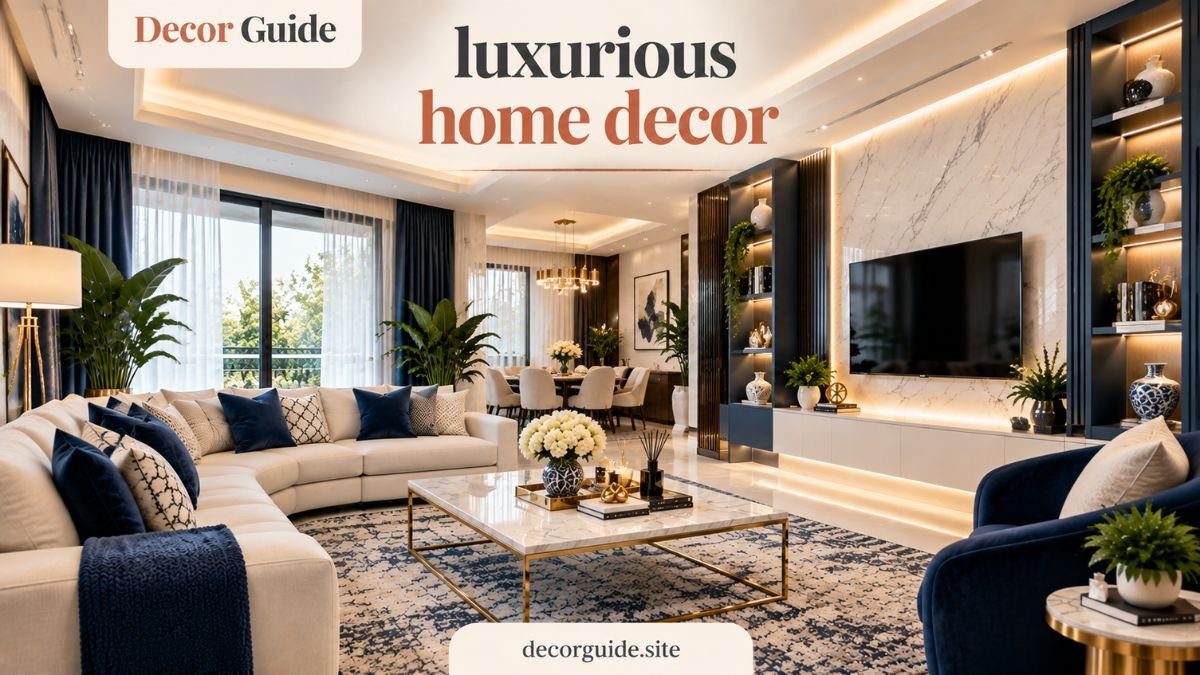
Luxurious home decor is not about filling a room with expensive furniture or covering every surface with decorative objects. A home looks refined when its colors, proportions, lighting, textures, furniture, and accessories work together. Even a modest room can feel elevated when it is organized, well lit, and carefully edited.
The easiest method is to work from large decisions to small ones. Start with clutter and furniture placement. Establish a calm color palette. Improve lighting. Add texture through rugs, curtains, upholstery, and wall treatments. Then introduce a few statement pieces.
That approach creates a polished home without making it feel excessive.
luxury home decor ideas
Begin with the structure of the room rather than shopping for accessories. Look at the furniture arrangement, empty space, lighting, wall color, flooring, and storage.
A luxurious room usually has a clear focal point. This might be a sofa, artwork, fireplace, chandelier, bed, or architectural feature. Everything else should support that focal point rather than compete with it.
Balance is important too. Symmetry can make a room feel orderly, while carefully chosen contrast prevents it from becoming predictable.
For example, soft upholstery can be paired with a hard stone surface. A matte wall can sit behind a reflective mirror. Natural wood can balance polished metal.
The goal is controlled contrast.
luxury home decor accessories
Accessories should finish the room rather than fill it. Choose objects that provide texture, height, shape, or color.
A ceramic vase, sculptural bowl, decorative tray, framed artwork, candle holder, or small stack of books can add character when placed intentionally.
Instead of scattering objects across every surface, create small groups. A console might hold a lamp, a decorative object, and a tray. A coffee table might use a book, bowl, and vase.
This is especially important in small rooms. Too many accessories make a compact space feel crowded very quickly.
Before buying anything, identify what the room is missing. If it already has plenty of texture, you may need shape or height instead. If the color palette feels flat, one carefully chosen accent color may be enough.
luxury living room decor
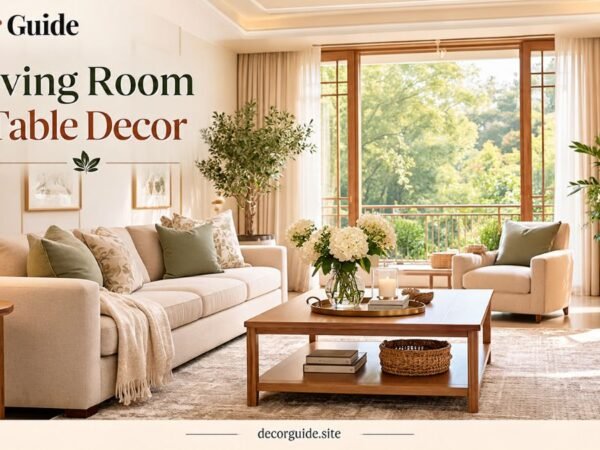
The living room usually benefits most from a strong foundation. Start with comfortable seating and arrange it around conversation rather than pushing every piece against a wall.
An area rug can visually connect the seating arrangement. A coffee table can provide a practical center point. Artwork or a large mirror can give the room vertical balance.
This is also where the old article on Luxury Living Room Furniture fits naturally. Readers who want to choose sofas, chairs, and other major pieces can use that related guide before making furniture decisions.
Lighting should support the furniture rather than simply illuminate the room. Combine general lighting with lamps and focused light where needed.
For a luxurious home decor effect, avoid buying several small decorative pieces before getting the major furniture and layout right.
luxury bedroom decor
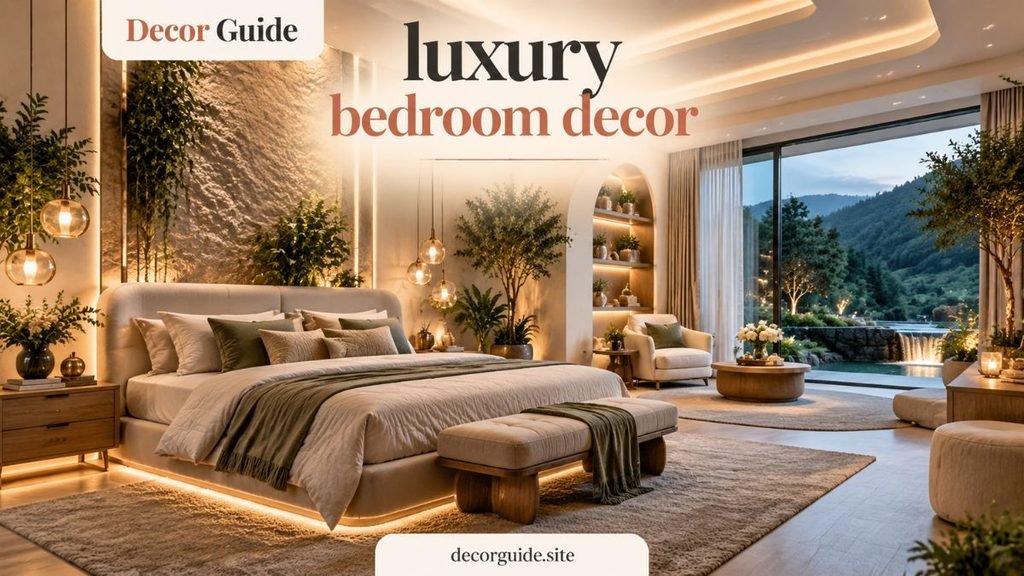
A luxurious bedroom should feel restful and composed. Start with the bed because it is usually the visual center.
Layer the bedding with different textures rather than relying on many decorative cushions. A soft throw, upholstered headboard, elegant curtains, and balanced bedside lighting can create depth without clutter.
Keep bedside surfaces relatively clear. The essentials should remain accessible while decorative objects stay limited.
A calm palette works particularly well in bedrooms. Warm neutrals create softness, while deep green, navy, or another rich shade can be introduced through upholstery or fabric.
The aim is not to imitate a hotel exactly. A better approach is to borrow the qualities that make hotel rooms feel polished while keeping the bedroom personal.
high end home decor
High end home decor depends heavily on proportion and consistency. Expensive materials cannot rescue furniture that is too large for the room or a layout that blocks circulation.
Before spending more, check whether the room is properly scaled. The sofa, rug, coffee table, artwork, and lighting should relate to one another.
Material consistency also matters. If brass appears in one major fixture, repeat it subtly elsewhere. If natural wood is important, allow it to become part of the visual story instead of mixing too many unrelated finishes.
A high end appearance often comes from editing. Remove objects that do not contribute to the room.
elegant home decor ideas
Elegance usually comes from restraint. Use a limited color palette and repeat those colors through different materials.
For example, a warm neutral wall can work with cream upholstery, brown wood, brass details, and a small amount of deep green.
Texture keeps a restrained palette from looking boring. Linen, velvet, wool, wood, stone, glass, and metal can all create visual interest.
Storage is another part of elegance. Open shelves filled with random objects can quickly make a room look messy. Keep frequently used items organized and use closed storage where visual clutter is difficult to control.
modern luxury interior design
Modern luxury interior design combines clean forms with comfortable materials. The room should feel contemporary without becoming cold.
Use simple furniture silhouettes and let texture provide the richness. A soft sofa, natural wood table, stone surface, textured wall, or sculptural lamp can create interest without excessive decoration.
Modern luxury also works well with open spaces because fewer visual elements can make the architecture more noticeable.
If the room is small, keep the furniture visually light and avoid unnecessary pieces. Luxury comes from clarity, not quantity.
glam home decor
Glam home decor uses reflective surfaces, rich fabrics, metallic finishes, and dramatic lighting.
Velvet seating, mirrored surfaces, crystal lighting, and brass details can create this effect. The trick is knowing when to stop.
If the chandelier is dramatic, the walls can remain quiet. If the sofa has strong color and texture, accessories can be simpler.
Glam styling works best when soft and reflective materials are balanced with matte surfaces. This prevents the room from looking overly shiny.
luxury wall decor
Walls can provide some of the strongest visual impact in a room. Large artwork, textured panels, mirrors, and carefully selected decorative pieces can all create a focal point.
Large artwork is often more effective than several tiny pieces because it gives the wall a clear visual purpose.
Textured wall panels can add architectural depth behind a bed, sofa, dining table, or television. They work especially well in neutral interiors.
Mirrors are useful when placed strategically. Position one where it reflects natural light, an attractive view, or a beautiful light fixture.
Do not use a mirror simply because a wall feels empty.
luxury home decor on a budget
The first luxury upgrade can cost nothing. Remove clutter.
Rearrange furniture so the room has better circulation. Clear unnecessary objects from surfaces. Group books and accessories more intentionally. Hide visible cables.
Next, improve lighting. Add lamps where the room feels flat or replace harsh bulbs with warmer lighting where appropriate.
Textiles are another practical upgrade. Curtains, cushions, throws, and rugs can change the visual character of a room without requiring new furniture.
If you have more money available, upgrade one important piece rather than buying many inexpensive decorations. A quality looking rug or well chosen chair can have more impact than a collection of small accessories.
marble and gold accents
Marble and gold can create a sophisticated combination when used selectively.
Marble works well on coffee tables, side tables, trays, countertops, and decorative surfaces. Gold or brass can appear through lighting, frames, handles, mirrors, and small accessories.
The safest approach is to use these materials as accents rather than making them the entire theme.
Warm wood and neutral fabrics can soften reflective finishes. This creates a more balanced luxury interior.
velvet furniture and luxury rugs
Velvet furniture and luxurious rugs both contribute texture, but they should not compete with one another.
A velvet chair can become the statement piece while the rug remains subtle. Alternatively, a textured or patterned rug can anchor the room while the seating stays neutral.
Think about maintenance before choosing fabrics. A beautiful material that is difficult to care for may not suit a busy household.
For small spaces, one velvet accent chair or a textured ottoman may provide enough richness without filling the room with heavy upholstery.
statement chandeliers and designer lighting
Lighting is one of the fastest ways to change the atmosphere of a room.
A statement chandelier can establish the style of a dining room, entryway, bedroom, or living space. However, the fixture should suit the scale of the room and the furniture below it.
Designer lighting is not only about the fixture. The direction, warmth, and distribution of light matter just as much.
Use different light sources to create layers. Ceiling lighting can provide general illumination, while floor lamps, table lamps, wall lights, and accent lighting can create depth.
A room that looks ordinary during the day can feel completely different in the evening when the lighting is handled well.
crystal and brass decor
Crystal and brass introduce reflective detail without requiring major changes to the room.
Crystal works naturally in lighting and small decorative pieces. Brass can appear in lamps, frames, hardware, tables, and mirrors.
Use these finishes consistently. Mixing many different metallic colors can make the room feel disconnected.
If brass is already present in a chandelier, repeat it subtly in a lamp or frame rather than introducing several additional metals.
textured wall panels and accent mirrors
Texture and reflection solve different design problems.
Textured wall panels add depth and make a large plain surface more interesting. Mirrors reflect light and can make a room appear visually larger.
Use wall panels when the room lacks architectural character. Use mirrors when the room needs more light or visual depth.
In a small apartment, a large mirror can often provide more practical value than a decorative wall installation because it contributes both style and visual spaciousness.
silk and satin curtains
Curtains can dramatically influence the appearance of a room because they occupy a large visual area.
Silk and satin offer sheen, while linen and other textured fabrics create a softer appearance. Neither approach is automatically more luxurious.
Focus on how the curtains frame the window and relate to the wall, floor, and furniture.
Avoid choosing a shiny fabric simply because it looks expensive. The overall drape and color are more important to the finished appearance.
neutral and jewel tone color palettes
Neutral colors provide the foundation for many luxury interiors. Cream, beige, taupe, warm gray, and soft brown create a calm background.
Jewel tones add depth. Deep green, navy, burgundy, and rich blue can work through an accent chair, artwork, rug, or cushions.
The important part is proportion. Strong colors become more sophisticated when surrounded by quieter tones.
Always consider natural light before committing to a color. A deep shade can look very different in a dark room compared with a bright one.
art and sculptures for home
Artwork should give a room personality rather than simply fill a blank wall.
Choose pieces according to scale and surrounding colors. A large artwork above a sofa should relate to the furniture below it.
Sculptures work well on consoles, shelves, side tables, and entryway furniture. Their three dimensional shape can add interest where a framed picture would not.
Do not place every favorite object in one room. Rotate decorative pieces when you want to refresh the interior without buying more.
premium furniture pieces
Premium furniture should be chosen according to use. Spend more attention on the pieces your household touches every day.
A sofa needs to be comfortable. A dining table needs to suit the room and household. A bed needs to support restful use. Storage furniture should hold what actually needs to be stored.
Look at the material, construction, scale, maintenance requirements, and relationship with existing furniture before buying.
A premium piece only improves the room when it fits the way the room is used.
coffee table styling and console table styling
Coffee tables and consoles are easy places to create a luxury look because they sit at eye level and can be styled without major renovation.
For a coffee table, start with a tray or another visual anchor. Add a book, decorative bowl, vase, or sculptural object. Keep enough open space for everyday use.
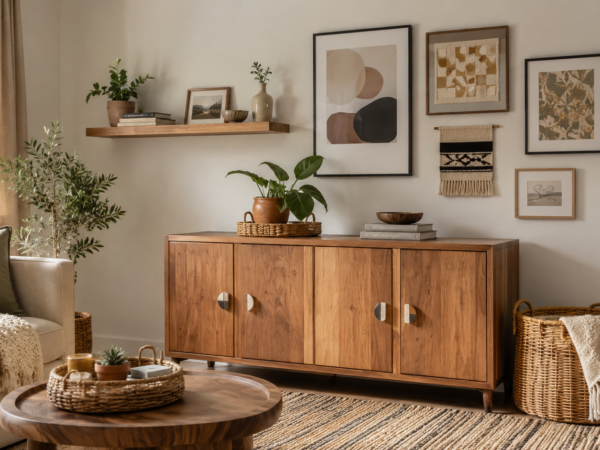
For a console, begin with the wall above it. A large mirror or artwork can establish the vertical focal point. Then use a lamp and a few accessories to create balance.
Vary the height of objects. Avoid filling every inch of the surface.
layered lighting
Layered lighting deserves special attention because it affects almost every other design decision.
Ambient lighting provides general illumination. Task lighting supports activities such as reading or working. Accent lighting highlights artwork, shelving, textures, or architectural features.
Using all three types can make a room feel more sophisticated without changing the furniture.
For a small room, two or three well placed light sources may be enough. More fixtures do not automatically create better lighting.
quiet luxury interiors
Quiet luxury interiors rely on quality, restraint, natural materials, and comfortable design.
The style works well for homeowners who want an elegant room that does not depend on obvious decorative statements.
Use warm neutrals, natural wood, stone, soft fabrics, simple furniture, refined lighting, and limited accessories.
The biggest mistake is trying too hard to make the room look expensive. Quiet luxury works because it feels considered rather than decorated for display.
how to make your home look luxurious
The process is straightforward.
First, remove clutter and decide what deserves attention.
Second, correct the furniture layout. Make sure walking paths are clear and seating feels connected.
Third, establish a color palette. Choose one dominant family of colors and one or two supporting shades.
Fourth, improve lighting. Add lamps and accent lighting where the room feels visually flat.
Fifth, add texture through rugs, curtains, upholstery, wood, stone, and artwork.
Finally, edit the accessories. Remove anything that feels unnecessary.
This method works because it improves the room from the foundation upward.
luxury living room decor ideas on a budget
If the living room needs an inexpensive refresh, do not start by replacing the sofa.
Begin with the layout. Move furniture away from awkward corners and create a clear conversation area.
Then look at the rug. If it is too small for the seating arrangement, changing it can improve the entire room.
Next, address lighting and textiles. Add a floor lamp, improve table lighting, and introduce cushions or a throw in coordinated colors.
A large mirror or artwork can provide a strong focal point.
Only after these changes should you consider buying a new furniture piece.
how to decorate a bedroom like a five star hotel
The feeling of a refined hotel bedroom comes from coordination rather than excessive decoration.
Use a restrained palette. Keep bedding visually connected through color and texture. Use matching or balanced bedside lighting.
Keep bedside surfaces clear and provide practical storage for personal items.
Curtains should control light while contributing to the overall softness of the room.
Add one or two pieces of artwork and perhaps a comfortable chair if space allows.
The room should feel calm when you walk in. That is more important than making every corner decorative.
best colors for a luxury home interior
Warm neutrals are a reliable foundation because they allow furniture and materials to stand out.
Cream creates warmth. Beige can soften a room. Taupe provides depth. Warm gray can create a more contemporary appearance.
Jewel tones are useful when you want more drama. Deep green, navy, burgundy, and rich blue can all work as controlled accents.
The best color is the one that works with the rooms natural light, flooring, furniture, and overall atmosphere.
affordable ways to get a high end home look
The most affordable luxury improvements are usually organizational and visual.
Declutter surfaces. Hide cables. Group accessories. Improve lighting. Coordinate textiles. Repeat a finish such as brass or wood.
Next, consider one statement element. It might be a mirror, rug, artwork, lamp, chair, or headboard.
If your budget increases, invest in a frequently used piece rather than buying several decorative objects.
This approach keeps spending focused and prevents the room from becoming overcrowded.
luxury dining room decor ideas
The dining table should remain the visual anchor.
A statement light above the table can create immediate impact. Artwork or a mirror can strengthen the surrounding wall.
Keep the centerpiece low enough to preserve conversation. A simple arrangement of greenery, flowers, candles, or decorative objects can work well.
In a smaller dining room, choose furniture that allows comfortable movement around the table. A visually heavy room will feel less luxurious when people have to squeeze past furniture.
luxury entryway decor ideas
The entryway should combine beauty with organization.
A console can hold small daily items. A mirror can add visual depth. A rug can define the area.
Storage matters here because shoes, keys, bags, and mail can quickly create clutter.
Keep the decorative scheme simple. One strong mirror, elegant lighting, and a few carefully selected accessories can create a better first impression than a crowded display.
FAQs
What is the easiest way to make a home look luxurious
Start with decluttering, furniture placement, lighting, and a consistent color palette. These changes can improve the appearance before you buy anything new.
What makes a living room look expensive
Good proportions, a suitable rug, comfortable furniture, layered lighting, coordinated textiles, and one strong focal point can create a polished appearance.
Is velvet suitable for everyday homes
Velvet can work well in everyday interiors, but fabric care should be considered before choosing it for heavily used furniture.
Are mirrors useful in luxury interior design
Yes. A well positioned mirror can add decoration, reflect light, and create visual depth. Its placement should be intentional rather than simply filling an empty wall.
Should all metals in a room match
They do not have to match perfectly, but repeating a dominant metal finish usually creates a more cohesive appearance.
How can renters create luxurious interiors
Renters can focus on removable improvements such as lighting, rugs, curtains, artwork, mirrors, cushions, organization, and furniture arrangement without making permanent structural changes.
Conclusion
Luxurious home decor works best when it feels intentional rather than excessive. Begin with organization and furniture placement, then establish the color palette and improve lighting. After that, bring in texture through rugs, curtains, upholstery, wood, stone, and artwork.
Use marble, brass, velvet, mirrors, crystal, and statement lighting as supporting elements rather than trying to use everything at once.
Most importantly, buy according to the needs of the room. A beautiful sofa is useful when the living room needs comfortable seating. A storage console makes sense when the entryway needs organization. A rug is valuable when the furniture arrangement needs definition.
Luxury is not about owning more. It is about making the space work beautifully.