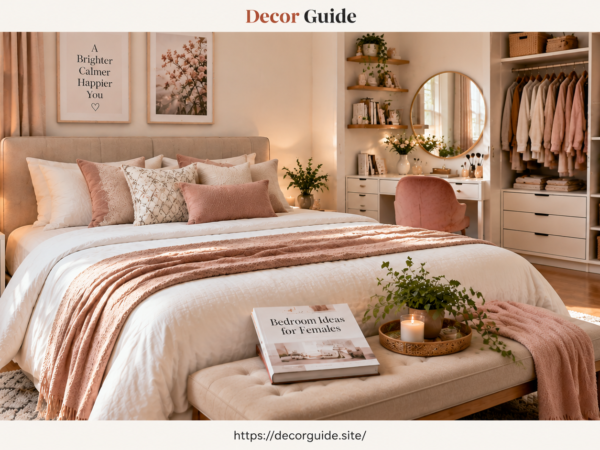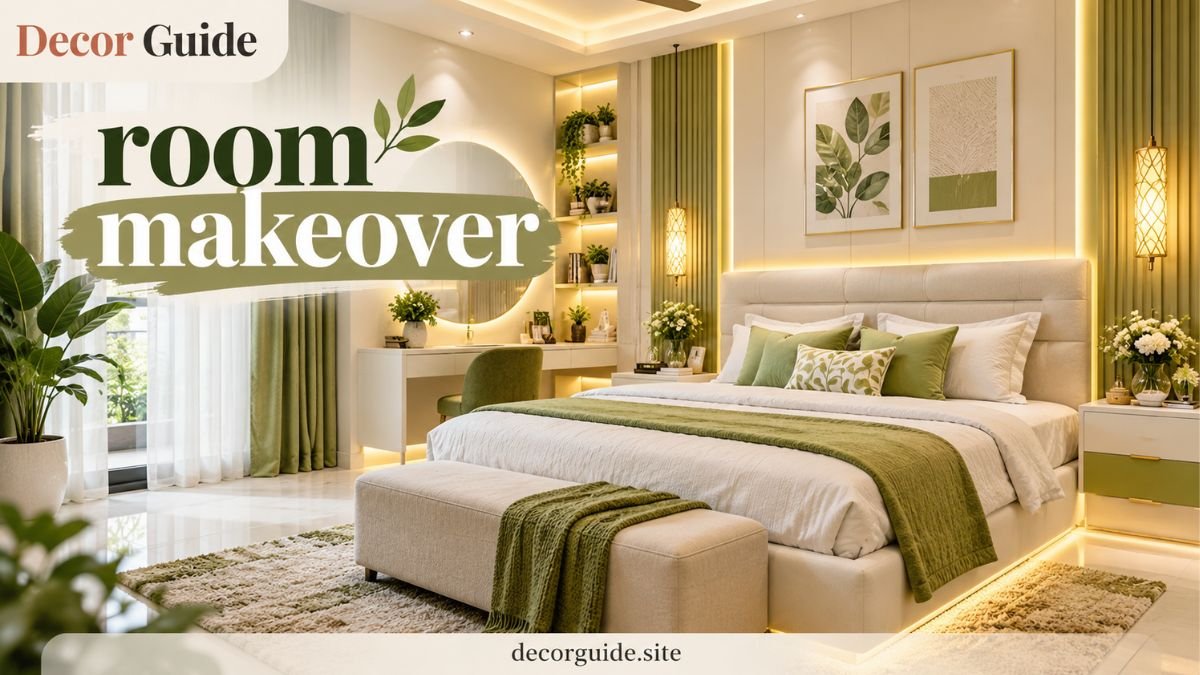
A room makeover can be as simple as changing the layout, clearing visual clutter, improving lighting, and giving the room a more intentional color and furniture plan. You do not need to replace everything. The smartest approach is to decide what is not working, keep useful pieces, then change the elements that have the biggest visual and practical effect.
The first step is to look at the room as it actually is. Notice where clutter collects, where furniture blocks movement, which areas feel dark, and which pieces no longer suit the way you use the space. Once those problems are clear, the makeover becomes much easier to plan.
A successful room makeover should make the room look better while making everyday life easier. That means appearance matters, but function comes first.
Start With What Is Not Working
Before buying anything, spend some time looking at the room from different positions. Stand near the doorway, sit in the main seating area, and look toward the windows. The room may have a good foundation but simply lack balance.
Ask yourself what bothers you most. Is there too much furniture? Does the room feel empty? Is storage poor? Does the lighting make the space feel dull? Are the colors competing with one another?
Write down the three biggest problems. Do not create a long shopping list yet.
Sometimes the biggest improvement costs nothing. Moving a sofa away from a wall, removing an unnecessary side table, or clearing a crowded shelf can immediately change how the room feels.
Decide What Should Stay
A useful room makeover does not mean throwing away everything you already own.
Keep furniture that is comfortable, useful, and in reasonable condition. Keep decorative pieces that have meaning or genuinely work with the room. A familiar chair can often look completely different after a new position, nearby lighting, or a small styling change.
This approach also protects your budget. You can spend money where the room actually needs improvement instead of buying replacements simply because you want something new.
Remove Visual Clutter First
Clutter makes even attractive rooms look unfinished. Before decorating, remove items that belong somewhere else, collect loose objects into sensible storage, and clear surfaces that have become crowded.
Do not immediately buy storage containers. First determine what you actually need to store and where it naturally belongs.
That simple distinction can prevent a room from becoming full of organizers that create another layer of visual clutter.
Plan the Layout Before You Shop
Furniture placement has a bigger effect on a room than many decorative accessories. A well planned layout can make a modest space feel comfortable, while poor placement can make a large room feel awkward.
Start with the main activity of the room. A living room might center around conversation and television viewing. A bedroom needs comfortable movement around the bed. A study needs a practical work area with enough light.
Think about how people enter and move through the room. Leave clear paths between important areas. Avoid placing large furniture where it makes the room difficult to navigate.
For a room makeover, it is often worth testing several arrangements before purchasing anything. Move pieces around carefully and live with the new arrangement for a little while. The first layout you imagine is not always the best one.
Create a Clear Focal Point
Every room benefits from having an area that naturally attracts attention. This might be a fireplace, a bed with an attractive wall behind it, a large window, artwork, or a carefully styled seating area.
Once the focal point is established, arrange the surrounding furniture to support it rather than compete with it.
Too many competing focal points can make a room feel visually noisy. A calm room usually has one main area of attention supported by smaller decorative details.
Keep Furniture Proportional
Large furniture can overwhelm a small room, while tiny furniture can look lost in a spacious one.
Look at the scale of your existing pieces before adding anything new. A large sofa may work well when balanced with substantial chairs and a suitable coffee table. In a compact room, lighter furniture with visible floor space can help the area feel more open.
The goal is not to follow a strict formula. It is to create visual balance.
Choose a Color Direction
Color is one of the easiest ways to make a room feel different, but it should be chosen after you understand the existing furniture and natural light.
A room makeover does not require painting every wall. Sometimes changing textiles, artwork, curtains, or smaller accessories is enough to establish a new color direction.
Start with one main color family. Then add supporting shades that appear in several places throughout the room. Repetition makes the design feel intentional.
For example, a room with warm neutral furniture could use soft green through cushions, artwork, plants, and small decorative objects. The color does not need to dominate the space to be noticeable.
Use Existing Colors as a Starting Point
Look at the furniture you already own. Wood tones, upholstery, rugs, flooring, and curtains all contribute to the room palette.
Instead of choosing a completely unrelated color, find shades that connect naturally with those existing elements.
This is especially useful when working with a limited budget because you can refresh the room without replacing major furniture.
Be Careful With Too Many Colors
A room can become chaotic when every accessory introduces another color.
If several colors already exist in the furniture and artwork, keep new additions restrained. Repeating a few colors throughout the room usually creates more harmony than introducing something different in every corner.
Improve the Lighting
Lighting can change the atmosphere of a room without changing its basic structure. A room with attractive furniture may still feel uncomfortable if it depends on one harsh overhead light.
Think about lighting in layers. General lighting provides overall visibility. Task lighting helps with activities such as reading or working. Accent lighting draws attention toward artwork, shelves, architectural features, or decorative areas.
During a room makeover, observe the room during the morning, afternoon, and evening. Natural light changes throughout the day, so a color or lighting choice that looks good at one time may feel different later.
Use Lamps Where They Solve a Problem
Do not add lamps simply because they look decorative. First identify where additional light is useful.
A reading chair needs useful task lighting. A dark corner may benefit from a floor lamp. A shelf displaying artwork can use focused lighting when appropriate.
The best lighting choices support how the room is actually used.
Refresh Soft Furnishings
Soft furnishings can change the character of a room without requiring major construction or furniture replacement.
Curtains, cushions, throws, rugs, and bedding can introduce texture and color. They also help make a room feel more finished.
When choosing these items, think about the textures already present. If the room contains many smooth surfaces, adding woven or textured materials can create visual interest.
Do not add every texture you like. A few coordinated materials are usually more effective than a collection of unrelated patterns.
Change One Major Textile First
If the room feels outdated, start with the textile that has the greatest visual presence.
In a bedroom, that may be the bedding. In a living room, it could be the rug or curtains. Once that element is changed, use it to guide smaller additions.
This keeps the room makeover controlled rather than turning into an expensive collection of unrelated purchases.
Add Storage Where Clutter Actually Happens
Storage should solve a real problem. If books always pile up beside the sofa, create storage there. If clothing collects on a chair, improve the clothing storage system. If toys repeatedly spread across the living room, create an easy place for them to return to.
The best storage is convenient enough to use every day.
Before buying organizers, identify the items that need homes. Group similar things together and decide how often they are used. Frequently used items should remain easy to reach, while rarely used items can be stored farther away.
A beautiful storage system that is difficult to maintain will not stay useful for long.
Use Vertical Space
When floor space is limited, look upward.
Wall shelves, tall storage furniture, hooks, and other vertical solutions can provide useful storage while preserving walking space. In a small room, this can make a noticeable difference.
Keep the most frequently used items within easy reach. Higher storage is better suited to things that are used less often.
Make a Small Room Feel More Open
A small room does not need to feel crowded. The key is to protect floor space and avoid filling every empty area.
Choose furniture according to the actual needs of the room. If one large piece performs the same job as several smaller pieces, it may create a cleaner result.
Mirrors can also help reflect light and create a greater sense of openness. Place them where they reflect something attractive rather than a cluttered area.
A simple room makeover can therefore focus more on subtraction than addition.
Keep the Floor Visible
Visible floor area can make a compact room feel less crowded.
Avoid filling every corner with furniture. Choose storage that uses vertical space when practical, and keep pathways clear.
This does not mean the room needs to be empty. It simply means every large object should have a reason to occupy valuable floor space.
Give the Walls More Personality
Blank walls can make a room feel unfinished, but covering every wall with decoration can have the opposite effect.
Choose artwork, photographs, mirrors, shelves, or other wall decor based on the size and style of the room.
A large wall often benefits from one strong arrangement rather than many tiny pieces scattered without a clear relationship.
If you rent your home, focus on decorating approaches that fit your agreement and avoid unnecessary permanent changes.
Build a Simple Gallery Arrangement
If you want several pieces together, treat them as one visual group.
Keep a consistent relationship between the pieces so they look connected. You can mix different artwork styles when there is another element linking them, such as a shared color family or similar framing.
The goal is not perfect symmetry. The goal is visual order.
Style the Finishing Details
Once the large decisions are complete, move to smaller decorative details.
This is where books, plants, artwork, bowls, baskets, candles, and other accessories can help. But accessories should support the room rather than hide it.
Leave some breathing room on shelves and tables. A surface does not need to be completely covered to look decorated.
During a room makeover, walk through the room after styling and remove anything that feels unnecessary. Often the final improvement comes from taking one or two things away.
Budget Friendly Room Makeover Ideas
You can create meaningful changes without spending much.
Start with free improvements such as decluttering, rearranging furniture, changing the position of artwork, and moving decorative pieces between rooms.
The next level can include small additions such as cushions, throws, baskets, plants, artwork, or lighting where a specific need exists.
Higher cost changes might involve repainting, replacing a major textile, updating furniture, or improving built in storage. These should come after the room has been assessed carefully.
The important point is that spending more does not automatically create a better room. A well planned low cost change can have more impact than an expensive item that does not solve a real problem.
Common Room Makeover Mistakes
One common mistake is buying decor before deciding what the room needs. This usually creates more objects without solving the original problem.
Another mistake is changing too many things at once. If you replace the furniture, paint, lighting, textiles, and accessories simultaneously, it becomes difficult to know what actually improved the room.
Choosing style over function is another problem. A beautiful chair that is uncomfortable or a storage unit that is difficult to use will eventually become frustrating.
There is also a tendency to copy a complete room from a photograph. Inspiration is useful, but your room has different proportions, lighting, habits, and existing furniture.
Use ideas as references rather than instructions.
How to Make the Makeover Feel Complete
When the major changes are finished, give the room a final review.
Look at the room from the entrance. Then walk through it as you normally would. Notice whether the furniture feels balanced, whether storage is convenient, and whether the lighting works for the activities that happen there.
Check the surfaces too. If every table and shelf is covered, remove a few objects.
A finished room should feel intentional without looking overly arranged.
If the space is a guest bedroom, you can also apply the same planning principles to comfort, storage, lighting, and welcoming details. Our guide on Decorate a Guest Room can help when the makeover involves preparing a bedroom for visitors.
Final Thoughts
A room makeover works best when you improve the room in the right order. Start by identifying problems, remove unnecessary clutter, test the layout, establish a color direction, improve lighting, and then add textiles, storage, wall decor, and finishing details.
You do not need to start with a shopping trip.
Start with the room you already have. Understand what it needs. Keep what works and change what does not.
That approach creates a space that looks refreshed while still feeling practical and comfortable for everyday life.
Frequently Asked Questions
How do I start a room makeover
Start by identifying the three biggest problems in the room. Look at clutter, furniture placement, lighting, storage, color, and comfort before deciding what to change or buy.
Can I make over a room without buying new furniture
Yes. Rearranging furniture, removing clutter, changing lighting, updating textiles, and restyling existing decor can significantly change the appearance of a room without replacing major furniture.
What should I change first in a room
Start with layout and clutter. These changes affect how the entire room functions and usually make it easier to see what additional improvements are genuinely needed.
How can I make a small room look better
Protect floor space, reduce unnecessary furniture, use vertical storage, keep surfaces organized, and choose lighting that makes the room feel comfortable and open.
Should I decorate before organizing
It is usually better to organize first. Once unnecessary items are removed and everything has a sensible place, you can see the room clearly and make better decorating decisions.
How often should I change my room decor
There is no fixed schedule. Change the room when your needs, lifestyle, furniture condition, or preferred style changes. Small updates can refresh a space without requiring a complete redesign.